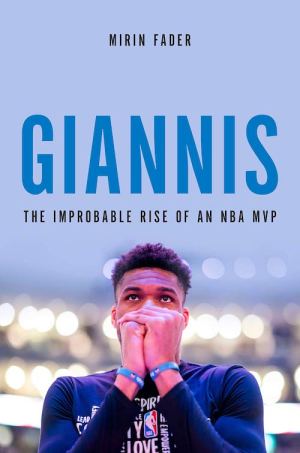
 The Improbable Rise of an NBA MVP
The story of Giannis Antetokounmpo’s extraordinary rise from poverty in Athens, Greece to super-stardom in America with the Milwaukee Bucks — becoming one of the most transcendent players in history and an NBA champion…
As the face of the NBA’s new world order, Giannis Antetokounmpo has overcome unfathomable obstacles to become a symbol of hope for people all over the world, the personification of the American Dream. But his backstory remains largely untold, and Fader unearths new information about the childhood that shaped “The Greek Freak”—from sleeping side by side with his brothers to selling trinkets on the side of the street with his family to the racism he experienced in Greece. Antetokounmpo grew up in an era when Golden Dawn, Greek’s far-right, anti-immigrant party, patrolled his neighborhood, and his status as an illegal immigrant largely prevented him from playing for Greek’s top clubs, making his rise to the NBA all the more improbable. Fader tells a deeply-human story of how an unknown, skinny, Black-Greek teen, who played in the country’s lowest pro division and was seen as a draft gamble, transformed his body and his game into MVP material.
Has there been a better-timed book, recently? Shortly before this book’s release date, the Milwaukee Bucks, led by Giannis Anetokounmpo, won their second NBA championship — the franchise’s first was in 1971 (a team led by Kareem Abdul-Jabbar). Like many fans of the NBA, I was aware of Giannis and his incredible impact on the court. However, I didn’t know that much about his past or upbringing. In Giannis, Mirin Fader offers readers an engaging, well-written and nuanced portrait of Antetokounmpo’s rise to greatness, and the forces that have shaped him as a player and man. Continue reading
 Welcome
  It is impossible to ignore the influence of social media. In the years since Facebook and Twitter, in particular, have exploded onto our browsers and mobile devices, many millions have found themselves spending more and more time watching their feeds update. “Doomscrolling” became a common word during the Trump years. Social media has connected us with people across the world with shared interests and hobbies. In too-many instances, it has also allowed the worst aspects of human nature to flourish. In Social Warming, Charles Arthur takes a deep dive into the ways in which social media has changed the world and today we have an excerpt for you. First, though, here’s the synopsis:
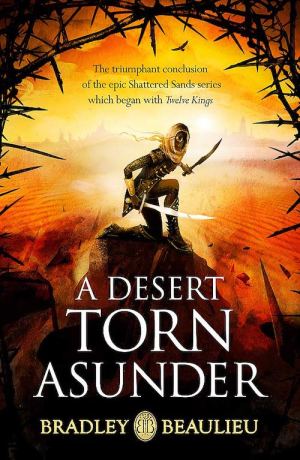 Today, we have an annotated excerpt from Bradley P. Beaulieu‘s A Desert Torn Asunder — the final book in the author’s Song of the Shattered Sands series. Before we get to that, though, here’s the official synopsis for the novel:
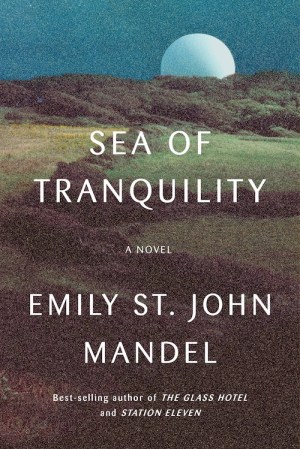 Like many people, I thoroughly enjoyed Emily St. John Mandel‘s 2014 novel,
 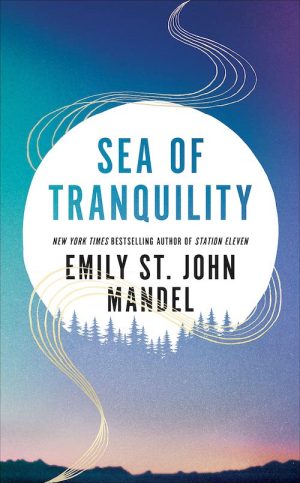 Two centuries later a famous writer named Olive Llewellyn is on a book tour. She’s traveling all over Earth, but her home is the second moon colony, a place of white stone, spired towers, and artificial beauty. Within the text of Olive’s bestselling pandemic novel lies a strange passage: a man plays his violin for change in the echoing corridor of an airship terminal as the trees of a forest rise around him.
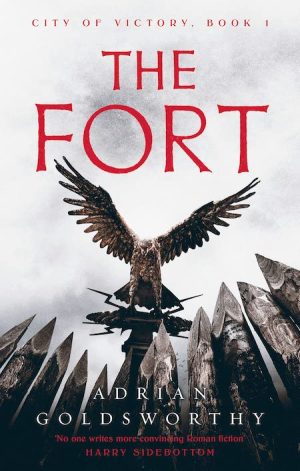 I have always loved history, was lucky enough to study it at the highest level, and after teaching for a while have been even luckier to make a living writing non fiction history books. At the same time, I have always loved historical novels. At their best they give a flavour and feel for a place and an era much faster than reading conventional history. So when I came to write historical novels, accuracy was very important to me. A novel will only work if readers get caught up in the plot and want to spend time with the characters, but the world it conjures up has to feel real, at least on its own terms, and that is as true of fantasy or science fiction as it is for stories set in the past. The world of the story has to be convincing enough for readers to visit it in their imagination. Many readers and authors do not care too much if that world bears little or no relation to the reality of the past as long as it is consistent. That is fine, after all, reading should be about pleasure and we all have different tastes. However, I am a professional historian and find it hard to switch off, which makes me an unrepresentative reader, and I only stick with a novel if I feel that the research behind it and the author’s sensitivity for the period are good. Since, like most authors, I write books – whether novels or non fiction – that I would like to read, that is how I try to write my stories. So each novel begins with research.
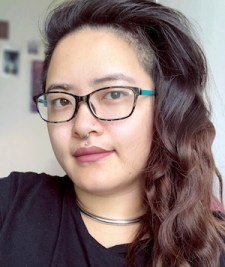 Let’s start with an introduction: Who is S. Qiouyi Lu?
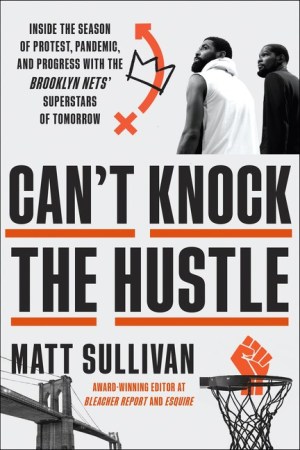 A behind-the-scenes account of the 2019-2020 NBA season, by way of the notorious Brooklyn Nets and basketball’s renaissance as a cultural force beyond the game.
 With Last Flight to Stalingrad, Graham Hurley continues his Spoils of War series of World War II related novels. Each of which seems to be a stand-alone, so I don’t think they need to be read in order. This one caught my attention, and I’m looking forward to reading it soon. Head of Zeus were kind enough to provide an excerpt to share with CR readers. Here’s the synopsis:
 Civilian Reader