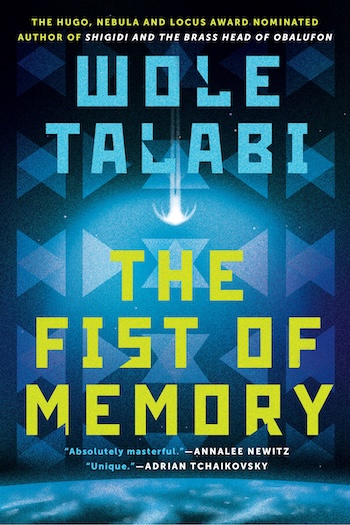
 Tomorrow, DAW Books are due to publish the latest novel by Wole Talabi: The Fist of Memory — a first-contact novel sure to appeal to fans of Arrival, Contact and sci-fi in general. To mark the occasion, CR has a short excerpt from the novel to share with our readers! Here’s the synopsis:
A strange alien spacecraft suddenly appears in the sky in this electrifying, action-packed first contact novel set in near-future Nigeria from award-winning author Wole Talabi
When a non-communicative alien spacecraft suddenly appears in the sky, global powers are thrown into turmoil.
But for Tope, a principled Nigerian assassin with a talent for lethality in the employ of the mysterious witchdoctor known as “Baba,” it’s all just business as usual. At least until a job goes wrong, and Tope is caught in the scramble—a high stakes game of power and politics for the future that is to come. Joined by Itumeleng, a South African astronomer plagued by mysterious dreams, they must find a way to survive, navigate their complicated pasts, and come to understand how they, and all of humanity, are connected to the alien craft before it lands and the world changes forever. But it won’t be easy. There are sinister forces marshalled against them, including a strange assassin obsessed with a single memory.
The Fist Of Memory is a first contact thriller unlike any other; a meditation on the nature of reality, memory and connectedness.

 I’ve been a fan of time-loop stories—in which a character cycles through the same moment, day, or event—ever since I watched Groundhog Day (like, I’m sure, many people my age). Another favourite example, if not my actual favourite, is
 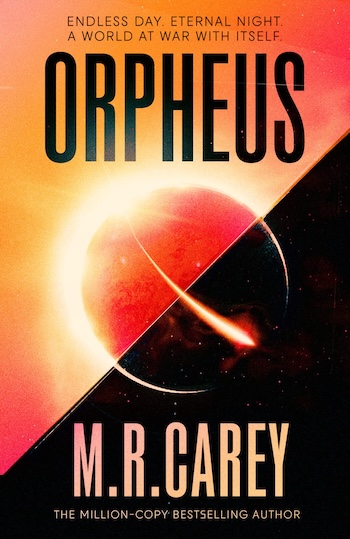 Like many people, I discovered M. R. Carey‘s books with the excellent, best-selling
  Today, we have an excerpt from River of Dreams, the latest novel by Robin Blackburn McBride. The novel, which blends elements of metaphysical fiction, feminism, historical settings, and elements of the supernatural, is out now, published by
  Next month,
 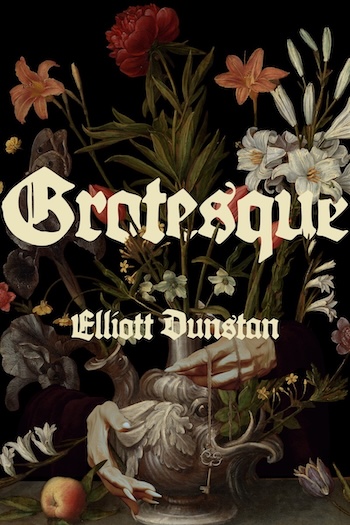 Next week,
 Next week,
 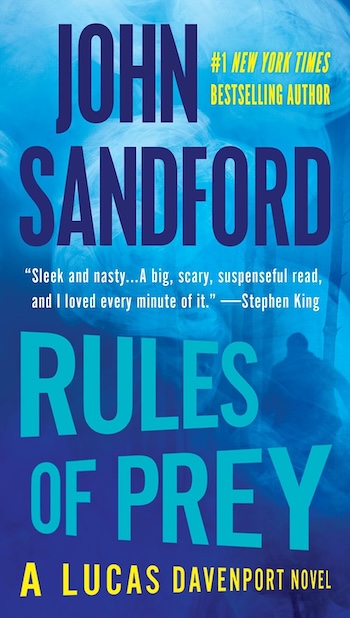 Deadline recently
