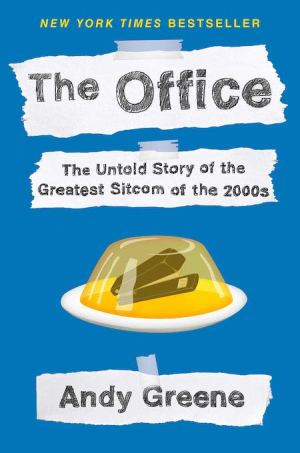
 “The Untold Story of the Greatest Sitcom of the 2000s”, an Oral History
The untold stories behind The Office, one of the most iconic television shows of the twenty-first century, told by its creators, writers, and actors
When did you last hang out with Jim, Pam, Dwight, Michael, and the rest of Dunder Mifflin? It might have been back in 2013, when the series finale aired… or it might have been last night, when you watched three episodes in a row. But either way, fifteen years after the show first aired, it’s more popular than ever, and fans have only one problem–what to watch, or read, next.
Fortunately, Rolling Stone writer Andy Greene has that answer. In his brand-new oral history, The Office: The Untold Story of the Greatest Sitcom of the 2000s, Greene will take readers behind the scenes of their favorite moments and characters. Greene gives us the true inside story behind the entire show, from its origins on the BBC through its impressive nine-season run in America, with in-depth research and exclusive interviews. Fans will get the inside scoop on key episodes from “The Dundies” to “Threat Level Midnight” and “Goodbye, Michael,” including behind-the-scenes details like the battle to keep it on the air when NBC wanted to pull the plug after just six episodes and the failed attempt to bring in James Gandolfini as the new boss after Steve Carell left, spotlighting the incredible, genre-redefining show created by the family-like team, who together took a quirky British import with dicey prospects and turned it into a primetime giant with true historical and cultural significance.
Hilarious, heartwarming, and revelatory, The Office gives fans and pop culture buffs a front-row seat to the phenomenal sequence of events that launched The Office into wild popularity, changing the face of television and how we all see our office lives for decades to come.
I was a latecomer to The Office. When the original UK version first aired, I wasn’t the biggest fan of Ricky Gervais. This meant I didn’t rush to watch the American version. A few years ago, though, we gave it a try and quickly fell in love with the employees of Dunder Mifflin, Scranton, PA. I’ve now watched the whole series multiple times, and each time it keeps me entertained, laughing out loud. When I learned about this book, I quickly got in touch with the publisher and they were kind enough to send me a DRC. I started reading it almost immediately, and thoroughly enjoyed reading it. Continue reading →
 A very amusing handbook for these interesting times
 A page-turning memoir of contemporary Silicon Valley
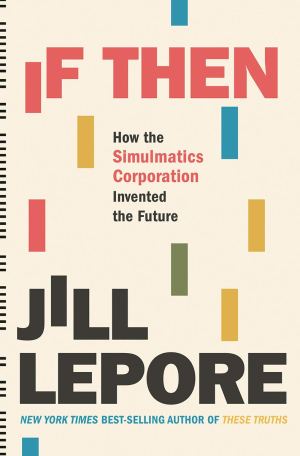 A new Jill Lepore book is always something to celebrate! And this latest looks quite different from the author’s previous histories. In the past, Lepore has covered topics such as the storytelling tradition in America (The Story of America), The Secret History of Wonder Woman, and has also tackled the Herculean task of writing a single-volume history of the United States (These Truths). If Then is a history of a data company established during the Cold War and how its influence can still be felt today. Here’s the synopsis:
 What exactly is heavy metal music? How deep do its roots go?
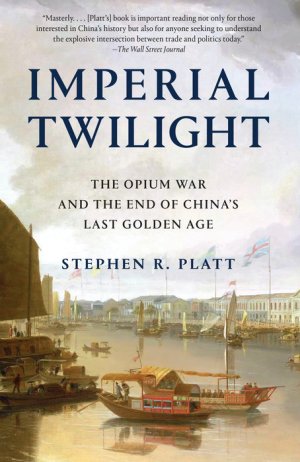 A fascinating re-examination of the causes and consequences of the Opium War
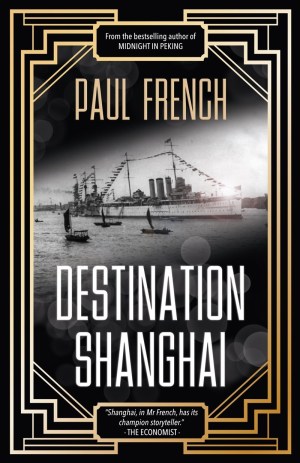 A fascinating collection of short biographies
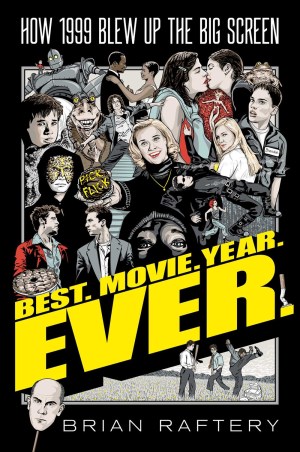 An excellent examination of “
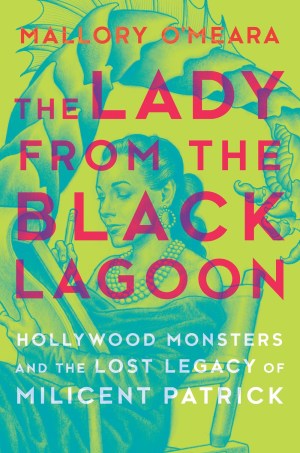 Uncovering the overlooked, oft-dismissed contribution of Milicent Patrick to the development of horror cinema
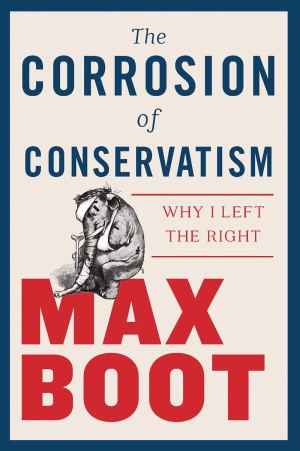 An interesting account of a Republican’s departure from his life-long political home
 Civilian Reader