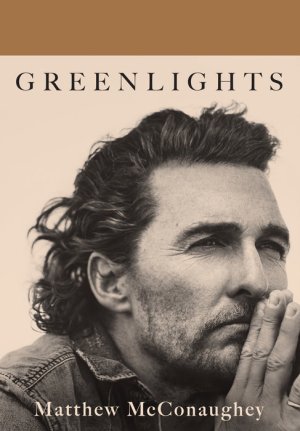
 A lively, entertaining memoir
I’ve been in this life for fifty years, been trying to work out its riddle for forty-two, and been keeping diaries of clues to that riddle for the last thirty-five. Notes about successes and failures, joys and sorrows, things that made me marvel, and things that made me laugh out loud. How to be fair. How to have less stress. How to have fun. How to hurt people less. How to get hurt less. How to be a good man. How to have meaning in life. How to be more me.
Recently, I worked up the courage to sit down with those diaries. I found stories I experienced, lessons I learned and forgot, poems, prayers, prescriptions, beliefs about what matters, some great photographs, and a whole bunch of bumper stickers. I found a reliable theme, an approach to living that gave me more satisfaction, at the time, and still: If you know how, and when, to deal with life’s challenges — how to get relative with the inevitable — you can enjoy a state of success I call “catching greenlights.”
So I took a one-way ticket to the desert and wrote this book: an album, a record, a story of my life so far. This is fifty years of my sights and seens, felts and figured-outs, cools and shamefuls. Graces, truths, and beauties of brutality. Getting away withs, getting caughts, and getting wets while trying to dance between the raindrops.
Hopefully, it’s medicine that tastes good, a couple of aspirin instead of the infirmary, a spaceship to Mars without needing your pilot’s license, going to church without having to be born again, and laughing through the tears.
It’s a love letter. To life.
It’s also a guide to catching more greenlights — and to realizing that the yellows and reds eventually turn green too.
Good luck.
An entertaining, quite uplifting memoir. I listened to the audiobook edition of the book, brilliantly and enthusiastically narrated by the author. I thoroughly enjoyed this. Continue reading
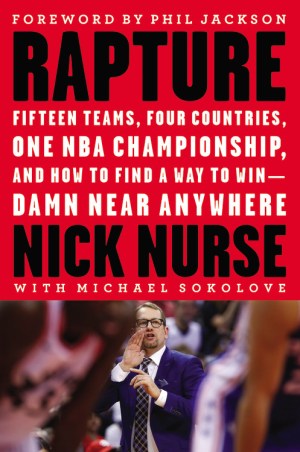 Nick Nurse’s long journey to the NBA and how his experiences
  A superb memoir that is also a passionate, engaging meditation on race in America
 An interesting, well-written, and extensive investigation into what the US went to war with Iraq
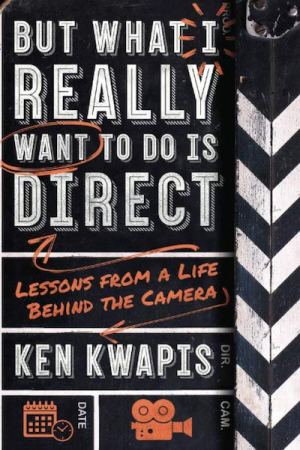 An interesting blend of memoir and advice for budding directors
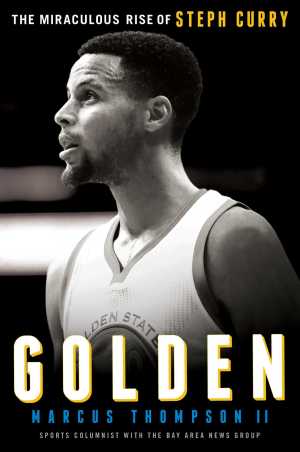 An interesting biography of an unexpected basketball talent
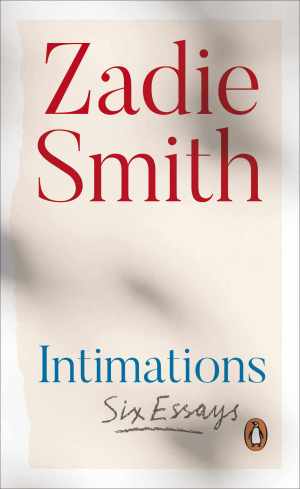 A superb collection of short essays
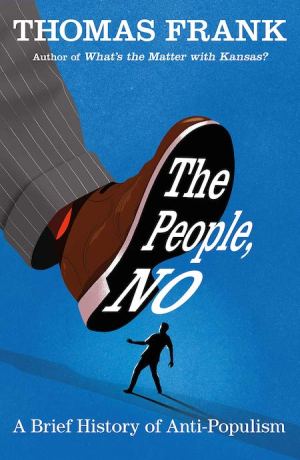 The interesting, if flawed history of American populism and its corruption by the elite
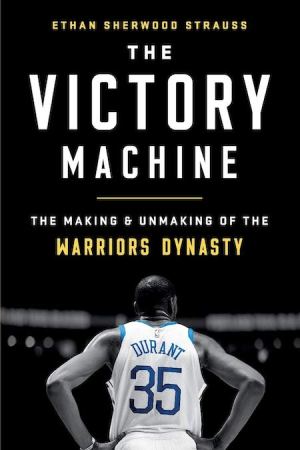 An interesting look at the rise and fall of the Golden State Warriors
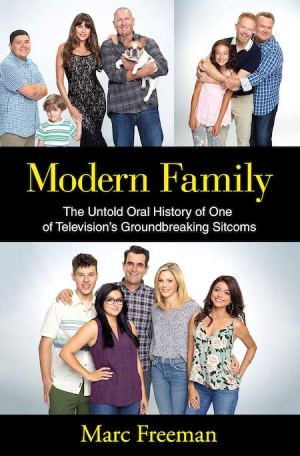 The Untold Oral History of the Long-Running Family Sitcom
 Civilian Reader