 Theon Greyjoy – do you like him now? Did you ever like him? Will you ever like him?
As a writer, I find Theon by far the most interesting character in Game of Thrones. He illustrates a lot about how to make a character disliked. He also, in his long redemption, illustrates the techniques novelists and screenwriters use to build sympathy in a character.
Theon has had many of these sympathy building techniques applied to him in the course of his redemption, but here’s the thing – up until the very last scenes of the last series of the Game of Thrones TV series, they simply have not worked.
He’s particularly interesting when compared to another GoT character who has undergone his own redemption – Jaime Lannister.
[Please Note: Spoilers for Game of Thrones!] Continue reading
 Let’s start with an introduction: Who is Daryl Gregory?
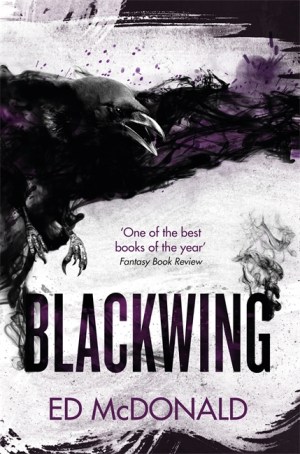 A promising debut grimdark fantasy
 I’m certain nearly everyone who loves to read books and follows their favorite authors has heard those authors at some point say, “The character took control.” This is extremely common. In fact, with my own writing, if the characters don’t at some point take control and do unexpected things, then the book isn’t succeeding. The characters need to take on their own life for the author. If they aren’t doing that for the author, then they certainly aren’t coming to life for the reader. And that means the book has failed.
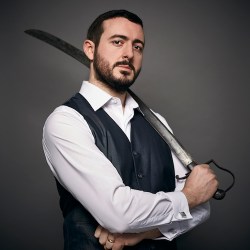 Let’s start with an introduction: Who is Ed McDonald?
 Let’s start with an introduction: Who is Vivian Shaw?
 Let’s start with an introduction: Who is Guy Adams?
 This is the first novel in David Mack’s Dark Arts series, and I’m really looking forward to giving it a try. I think I’ve only read one other (urban) fantasy set during one of the World Wars — Andy Remic’s very good
 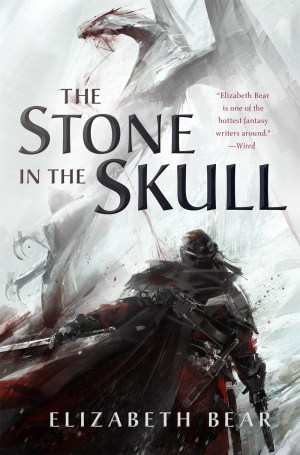 Elizabeth Bear‘s The Stone in the Skull begins a new trilogy set in the author’s critically-acclaimed Eternal Sky trilogy, and “takes readers over the dangerous mountain passes of the Steles of the Sky and south into the Lotus Kingdoms.” Now, I haven’t read the Eternal Sky trilogy, but I’ve heard many people say it’s great. Here’s the new book’s synopsis: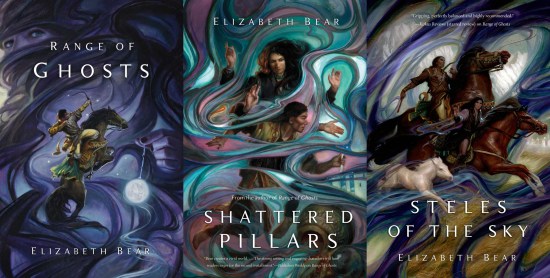
 Civilian Reader