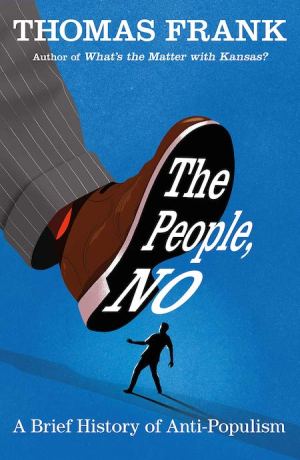
 The interesting, if flawed history of American populism and its corruption by the elite
Rarely does a work of history contain startling implications for the present, but in The People, No Thomas Frank pulls off that explosive effect by showing us that everything we think we know about populism is wrong. Today “populism” is seen as a frightening thing, a term pundits use to describe the racist philosophy of Donald Trump and European extremists. But this is a mistake.
The real story of populism is an account of enlightenment and liberation; it is the story of American democracy itself, of its ever-widening promise of a decent life for all. Taking us from the tumultuous 1890s, when the radical left-wing Populist Party — the biggest mass movement in American history — fought Gilded Age plutocrats to the reformers’ great triumphs under Franklin Roosevelt and Harry Truman, Frank reminds us how much we owe to the populist ethos. Frank also shows that elitist groups have reliably detested populism, lashing out at working-class concerns. The anti-populist vituperations by the Washington centrists of today are only the latest expression.
Frank pummels the elites, revisits the movement’s provocative politics, and declares true populism to be the language of promise and optimism. The People, No is a ringing affirmation of a movement that, Frank shows us, is not the problem of our times, but the solution for what ails us.
I’ve been a fan of Thomas Frank’s writing for some time, now. His books have offered plenty of interesting and incisive examinations and critiques of American politics, culture, and economics. In The People, No, he turns his attention to “populism”: a term that has become quite ubiquitous in the age of Trump, but it is a term that is widely misunderstood. Frank provides a history of this movement, and explains how it has been twisted for nefarious ends. Continue reading
 The conclusion to the Fabius Bile trilogy
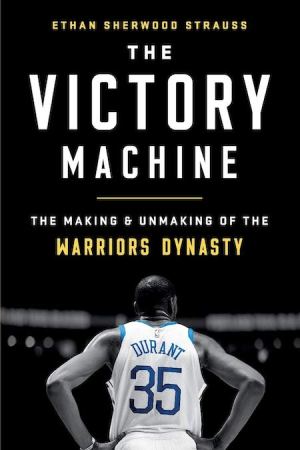 An interesting look at the rise and fall of the Golden State Warriors
 Welcome back to CR! It’s been a little while, so let’s start with an introduction for new readers: Who is Marie Brennan?
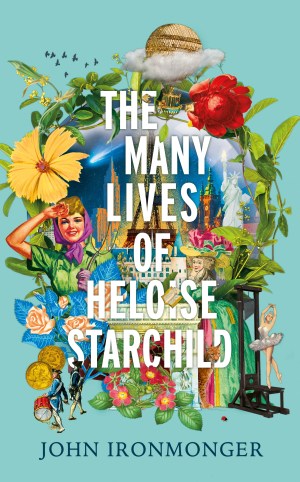 I only just heard about John Ironmonger‘s upcoming novel, The Many Lives of Heloise Starchild, but it immediately caught my attention: not only does it have a striking cover, but the premise (see below) sounds great. It’s a little strange that I hadn’t heard about the novel sooner, actually, not sure how I missed it… Anyway, due to be published in the UK on August 6th, by
  Let’s start with an introduction: Who is Tim Major?
 Welcome back to Civilian Reader! It’s been a little while, so for newcomers let’s start with an introduction: Who is Django Wexler?
 Let’s start with an introduction: Who is Wayne Santos?
 Let’s start with an introduction: Who is Nicholas Bowling?
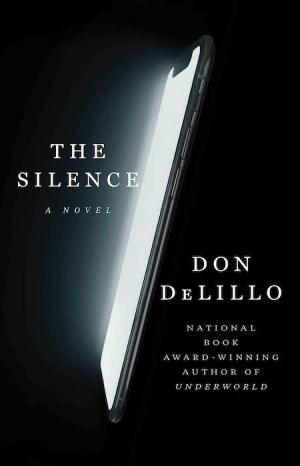 A very short novel, with little time to develop
 Civilian Reader