 The horror genre is in fine fettle at the moment. In fact, I can’t remember a time when the work being produced has been more wide-ranging, inventive and exciting. This is not only due to the fact that established names like Stephen King, Ramsey Campbell, Tim Lebbon, Joe R. Lansdale, Adam Nevill and Stephen Volk are continuing to produce excellent work, but is also because a huge influx of new writers has ensured that if the genre was a bar or a club, then it would be the coolest, most vibrant place in town in which to hang out.
Some of the genre’s newer writers seem to have become instantly successful, and it’s wonderful to see the likes of Josh Malerman’s BirdBox, Andrew Michael Hurley’s The Loney, Catriona Ward’s Rawblood, Nick Cutter’s The Troop and The Deep, and Sarah Lotz’s The Three and Day Four on sale in supermarkets and piled up on promotional display tables in Waterstones.
What’s also heartening is that writers who have been around for a while, their work illuminating the small presses and gaining praise, honours and fans along the way, now seem to be breaking through into the mainstream too. Continue reading
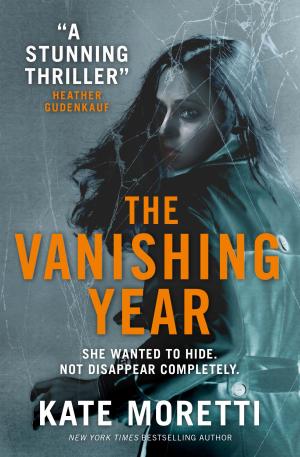 As part of the blog tour celebrating the release of Kate Moretti‘s The Vanishing Year,
  Let’s start with an introduction: Who is Bennett R. Coles?
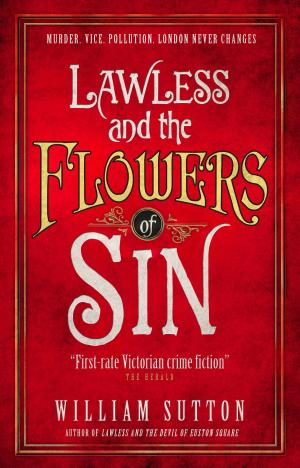 Today, we have an excerpt from William Sutton‘s second Victorian crime novel, Lawless and the Flowers of Sin. Recently published by
 My first encounter with
  Let’s start with an introduction: Who is Christopher Husberg?
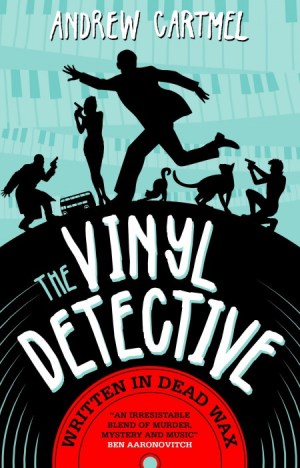 Following our interview with Andrew Cartmel, yesterday, Titan Books has sent us an excerpt from
 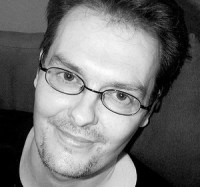 Let’s start with an introduction: Who is Andrew Cartmel?
 Civilian Reader