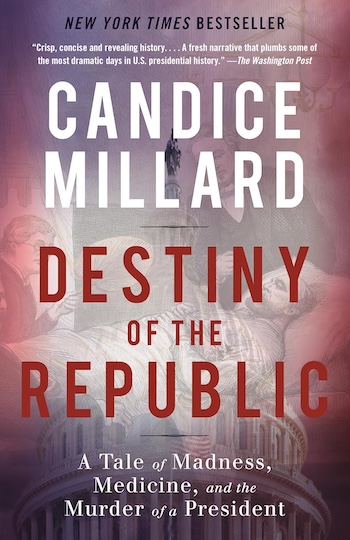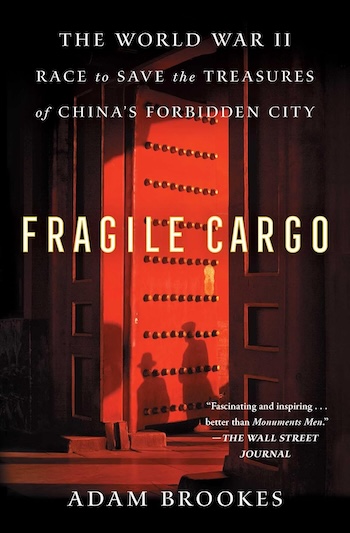
Very Quick Review: DESTINY OF THE REPUBLIC by Candice Millard (Vintage)

An engaging, highly-readable history of Garfield’s rise to the presidency and death.

James Abram Garfield was one of the most extraordinary men ever elected president. Born into abject poverty, he rose to become a wunderkind scholar, a Civil War hero, a renowned congressman, and a reluctant presidential candidate who took on the nation’s corrupt political establishment.

But four months after Garfield’s inauguration in 1881, he was shot in the back by a deranged office-seeker named Charles Guiteau. Garfield survived the attack, but became the object of bitter, behind-the-scenes struggles for power — over his administration, over the nation’s future, and, hauntingly, over his medical care.

Meticulously researched, epic in scope, and pulsating with an intimate human focus and high-velocity narrative drive, The Destiny of the Republic brings alive a forgotten chapter of U.S. history.

Candice Millard’s Destiny of the Republic has been on my radar for a very long time; it was first published in 2011, when I was still in college and reading through as many biographies of the US presidents as I could (for my studies, but also because I was generally interested). I never got around to reading it while at university, but with the recent Netflix adaptation — Death by Lightning — my interest in reading it was revived. So, I popped to Book City in Toronto (highly recommend this local chain), bought the book, and started reading it that same day.

Continue reading

Re-Posted Review: IMPERIAL TWILIGHT by Stephen R. Platt (Knopf/Atlantic)

Earlier today, I received a ping-back to this review.* I hadn’t thought about the book for a while (I read it in 2019), but it’s superb, and I do still recommend it very highly. The review is, I think, also quite well-written. So, I thought I’d re-share/-post it.

* Unfortunately, it was “used” by an LLM to provide a user with an “analysis” of the book — just read it yourself!

Excerpt: LADY PAMELA BERRY by Harriet Cullen (Unicorn Publishing)

Something a little different, today: an excerpt from Harriet Cullen‘s Lady Pamela Berry. As someone with a professional interest in the Cold War, the mention of the Suez crisis in the synopsis for this book caught my attention.

The publisher was kind enough to let me share an excerpt related to that event, from the chapter “Muggeridge and Suez”. Berry was married to the owner of the Daily Telegraph in the United Kingdom, and was able to wield a considerable amount of influence over British politics and high society. During Anthony Eden’s premiership, Berry developed a feud with the PM’s wife, Clarissa.

Before we get to the excerpt, here’s the synopsis:

This is a biography lightened with the intimate tone of a social memoir, about a woman who was both a bystander and protagonist through some fifty years of twentieth-century British history. Pamela Berry was the daughter of the buccaneering and brilliant politician and lawyer, FE Smith, the first Earl of Birkenhead, and married the son of another self-made man, William Berry from South Wales, who became Viscount Camrose and the owner of a group of national newspapers, including the Daily Telegraph.

She had an unusually glamorous and precocious childhood, spoiled by her adoring father, and much photographed by Cecil Beaton. In her prime she used her position as a newspaper proprietor’s wife to become the most famous political and press hostess of her generation, harnessing her beauty and wit to influence successive governments, and was accused of wielding ‘petticoat power’ during the Suez crisis. She had a decade-long affair with Malcolm Muggeridge, became a vigorous promoter of British fashion, dragging it out of the dowdy fifties, and in later life was active in the museum world. Harriet Cullen has opened a window back into the remarkable story of her mother’s life from a rich cache of family diaries and letters, interweaving them with many other unpublished sources. It is revealing, in turns scathing and admiring, but always entertaining.

Continue reading

Quick Review: ASCENT TO POWER by David L. Roll (Dutton)

RollDL-AscentToPowerUSHCAn engaging new biography of the transition of power between FDR and Truman
From Franklin Roosevelt’s final days through Harry Truman’s extraordinary transformation, this is the enthralling story behind the most consequential presidential transition in US history.

When Roosevelt, in failing health, decided to run for a fourth term, he gave in to the big city Democratic bosses and reluctantly picked Senator Truman as his vice president, a man he barely knew. Upon FDR’s death in April 1945, Truman, after only 82 days as VP, was thrust into the presidency. Utterly unprepared, he faced the collapse of Germany, a Europe in ruins, the organization of the UN, a summit with Stalin and Churchill, and the question of whether atomic bombs would be ready for use against Japan. Meanwhile, the Soviet Union was growing increasingly hostile towards US power. Truman inherited FDR’s hope that peace could be maintained through cooperation with the Soviets, but he would soon learn that imitating his predecessor would lead only to missteps and controversy.

Spanning the years of transition, 1944 to 1948, Ascent to Power illuminates Truman’s struggles to emerge as president in his own right. Yet, from a relatively unknown Missouri senator to the most powerful man on Earth, Truman’s legacy transcends. With his come-from-behind campaign in the fall of 1948, his courageous civil rights advocacy, and his role in liberating millions from militarist governments and brutal occupations, Truman’s decisions during these pivotal years changed the course of the world in ways so significant we live with them today.

I seem to be reading an awful lot of books about the early Cold War years, recently. (Only partly for work.) Many of them have felt rather familiar, taking the same or similar approaches to those momentous years and events. David L. Roll’s new history of the transition from FDR to Truman offers something a little bit different, I think. It is an engaging, well-written and well-researched account of one of the most significant administrative changes, focusing on the changes between the two presidents and administrations. A satisfying read. Continue reading

Excerpt: STORMING HEAVEN by Miles Cameron (Mobius/Gollancz)

CameronM-AoB2-StormingHeavenUSHCTo celebrate the release of Storming Heaven, the second novel in Miles Cameron‘s Age of Bronze series, Mobius Books has provided us with an excerpt to share with you all! The excerpt is comprised of the prologue and some other information to help readers get situated, and hopefully whet your appetite to read the rest of the novel. First, though, here’s the synopsis…
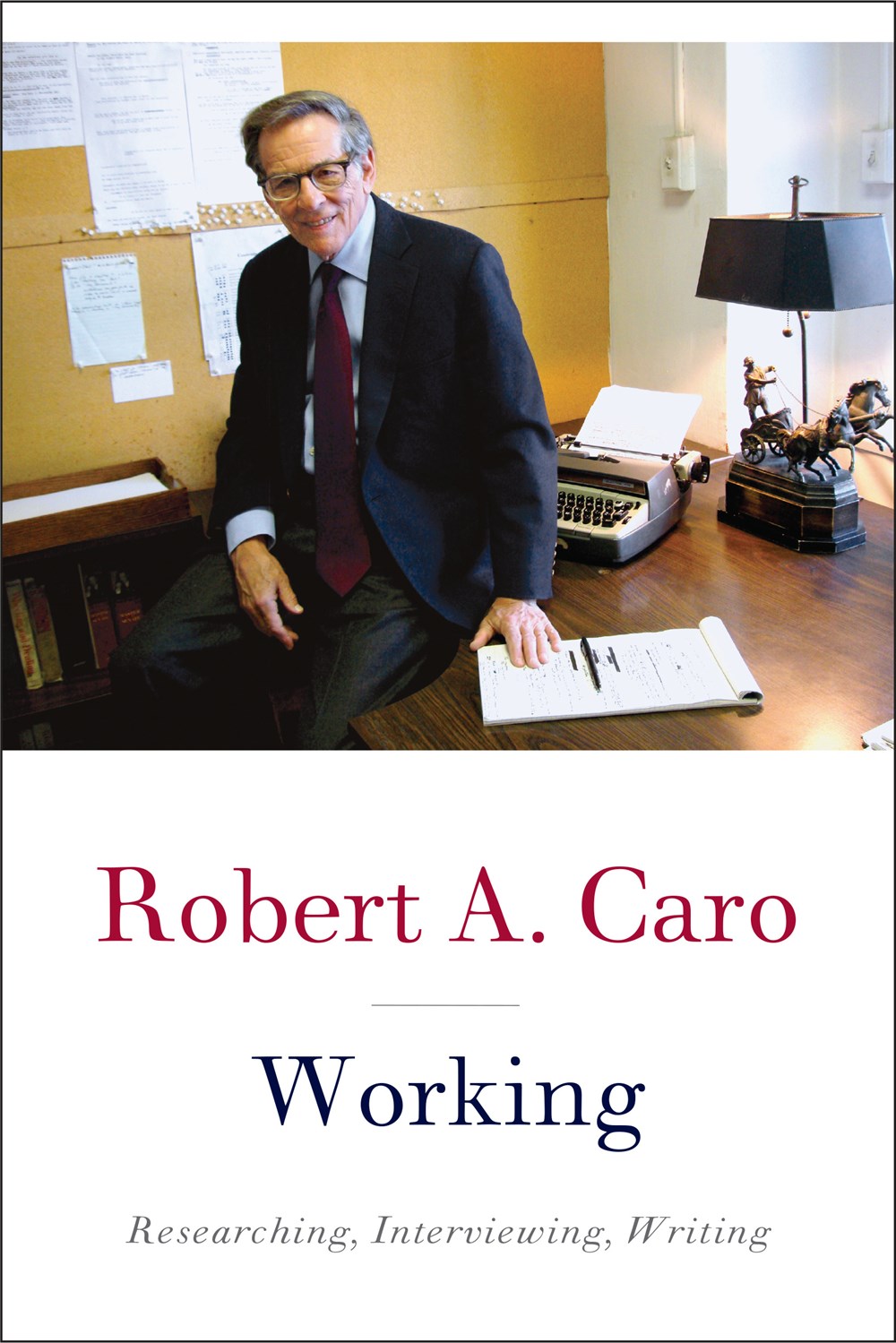
Before iron helmets and steel swords, when dragons roamed the world, was an age of bronze and stone, when the Gods walked the earth, and people lived in terror.

A scribe, a warlord, a dancer, a mute insect and a child should have no chance against the might of the bickering gods and their cruel games. But the gods themselves are old, addicted to their own games of power, and now their fates may lie in the hands of mere mortals . . .

By divine plan a plague of cannibals has been unleashed across the world, forming an armada which preys on all who cross their path. Meanwhile the people who allied against the gods have been divided, each taking their own path to attack the heavens — if they can survive the tide of war which has been sent against them.

All they need is the right distraction, and the right opportunity, to deal a blow against the gods themselves . . .

An original, visceral epic weaving together the mythologies of a dozen pantheons of gods and heroes to create something new and magical, this tale of the revolt against the tyranny which began in Against All Gods is a must read from a master of the fantasy genre.

Now, on with Storming Heaven

Continue reading

Very Quick Review: WORKING by Robert A. Caro (Knopf)

carora-workingusA glimpse into what it takes to write epic non-fiction
From the two-time Pulitzer Prize-winning author of The Power Broker and The Years of Lyndon Johnson: an unprecedented gathering of vivid, candid, deeply moving recollections about his experiences researching and writing his acclaimed books.

Now in paperback, Robert Caro gives us a glimpse into his own life and work in these evocatively written, personal pieces. He describes what it was like to interview the mighty Robert Moses and to begin discovering the extent of the political power Moses wielded; the combination of discouragement and exhilaration he felt confronting the vast holdings of the Lyndon B. Johnson Library in Austin, Texas; his encounters with witnesses, including longtime residents wrenchingly displaced by the construction of Moses’ Cross-Bronx Expressway and Lady Bird Johnson acknowledging the beauty and influence of one of LBJ’s mistresses. He gratefully remembers how, after years of working in solitude, he found a writers’ community at the New York Public Library, and details the ways he goes about planning and composing his books.

Caro recalls the moments at which he came to understand that he wanted to write not just about the men who wielded power but about the people and the politics that were shaped by that power. And he talks about the importance to him of the writing itself, of how he tries to infuse it with a sense of place and mood to bring characters and situations to life on the page. Taken together, these reminiscencessome previously published, some written expressly for this bookbring into focus the passion, the wry self-deprecation, and the integrity with which this brilliant historian has always approached his work.

A few days ago, a friend of mine shared a link to Robert A. Caro’s 2019 New Yorker essay, “The Secrets of Lyndon Johnson’s Archives”. I found it to be a fascinating glimpse of what it takes to write the kind of histories that Caro is known for. As I read, I was reminded that I actually had Working, and decided to dive right in. It’s a fascinating memoir about researching, writing, and interviewing. A very rewarding read, I really enjoyed this. Continue reading

Excerpt: A HISTORY OF DELUSIONS by Victoria Shepherd (Oneworld)

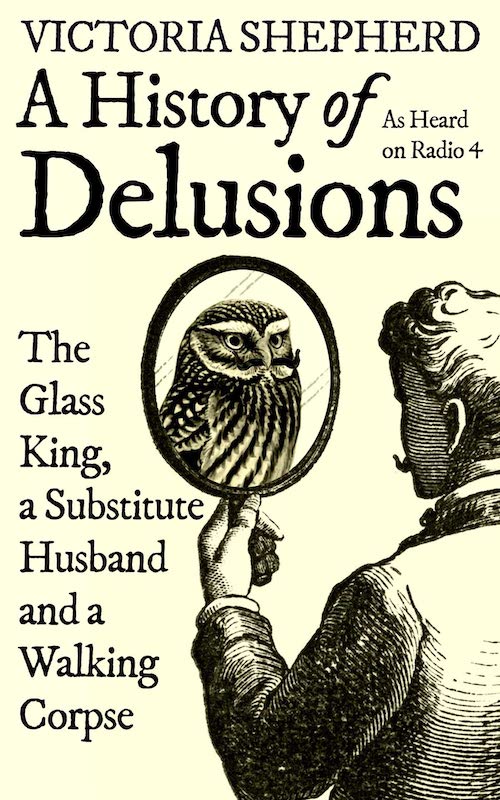
ShepherdV-HistoryOfDelusionsUKHCToday, we have an excerpt from A History of Delusions by Victoria Shepherd, an intriguing history of delusions. Here’s the synopsis:
The Glass King, a Substitute Husband and a Walking Corpse

    • The King of France – thinking he was made of glass – was terrified he might shatter… and he wasn’t alone.
    • After the Emperor met his end at Waterloo, an epidemic of Napoleons piled into France’s asylums.
    • Throughout the nineteenth century, dozens of middle-aged women tried to convince their physicians that they were, in fact, dead.

For centuries we’ve dismissed delusions as something for doctors to sort out behind locked doors. But delusions are more than just bizarre quirks – they hold the key to collective anxieties and traumas.

In this groundbreaking history, Victoria Shepherd uncovers stories of delusions from medieval times to the present day and implores us to identify reason in apparent madness.

Now, read on for the excerpt…

Continue reading

Excerpt: THE EMPRESS AND THE ENGLISH DOCTOR by Lucy Ward (Oneworld Publications)

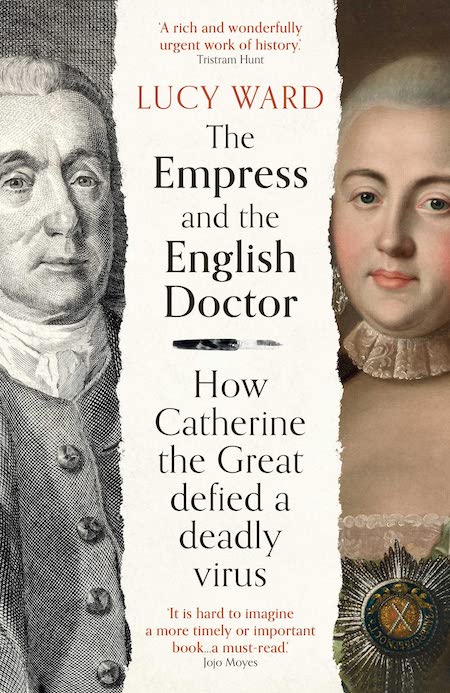
WardL-EmpressAndTheEnglishDoctorToday, we have an excerpt from The Empress and the English Doctor by Lucy Ward, an account of how Catherine the Great worked to combat the smallpox epidemic that was ravaging not only Russia but most of Europe. Here’s the synopsis:
A killer virus… an all-powerful Empress… an encounter cloaked in secrecy… the astonishing true story.

Within living memory, smallpox was a dreaded disease. Over human history it has killed untold millions. Back in the eighteenth century, as epidemics swept Europe, the first rumours emerged of an effective treatment: a mysterious method called inoculation.

But a key problem remained: convincing people to accept the preventative remedy, the forerunner of vaccination. Arguments raged over risks and benefits, and public resistance ran high. As smallpox ravaged her empire and threatened her court, Catherine the Great took the momentous decision to summon the Quaker physician Thomas Dimsdale to St Petersburg to carry out a secret mission that would transform both their lives. Lucy Ward expertly unveils the extraordinary story of Enlightenment ideals, female leadership and the fight to promote science over superstition.

On with the excerpt!

Continue reading

Guest Post: “Accuracy & Writing Historical Fiction” by Adrian Goldsworthy

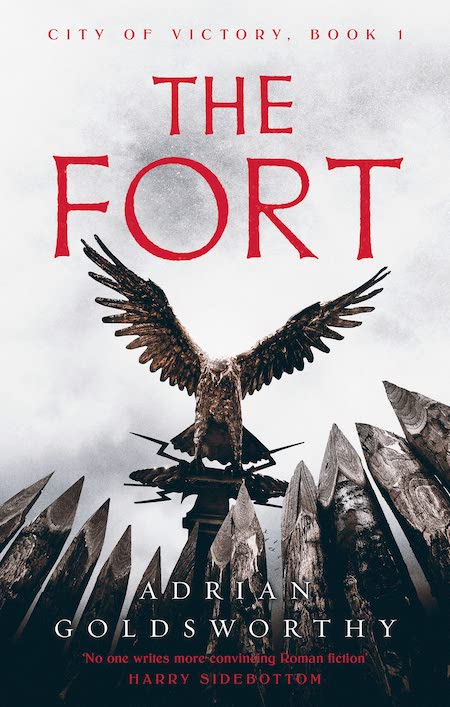
GoldsworthyA-CoV1-FortHCI have always loved history, was lucky enough to study it at the highest level, and after teaching for a while have been even luckier to make a living writing non fiction history books. At the same time, I have always loved historical novels. At their best they give a flavour and feel for a place and an era much faster than reading conventional history. So when I came to write historical novels, accuracy was very important to me. A novel will only work if readers get caught up in the plot and want to spend time with the characters, but the world it conjures up has to feel real, at least on its own terms, and that is as true of fantasy or science fiction as it is for stories set in the past. The world of the story has to be convincing enough for readers to visit it in their imagination. Many readers and authors do not care too much if that world bears little or no relation to the reality of the past as long as it is consistent. That is fine, after all, reading should be about pleasure and we all have different tastes. However, I am a professional historian and find it hard to switch off, which makes me an unrepresentative reader, and I only stick with a novel if I feel that the research behind it and the author’s sensitivity for the period are good. Since, like most authors, I write books – whether novels or non fiction – that I would like to read, that is how I try to write my stories. So each novel begins with research. Continue reading

Excerpt: LAST FLIGHT TO STALINGRAD by Graham Hurley (Head of Zeus)

HurleyG-LastFlightOfStalingradWith Last Flight to Stalingrad, Graham Hurley continues his Spoils of War series of World War II related novels. Each of which seems to be a stand-alone, so I don’t think they need to be read in order. This one caught my attention, and I’m looking forward to reading it soon. Head of Zeus were kind enough to provide an excerpt to share with CR readers. Here’s the synopsis:

Berlin, 1942.

For four years, the men in field grey have helped themselves to country after country across Western Europe.

For Werner Nehmann, a journalist at the Promi – the Ministry of Propaganda – this dizzying series of victories has felt like a party without end. But now the Reich’s attention has turned towards the East, and as winter sets in, the mood is turning.

Werner’s boss, Joseph Goebbels, can sense it. A small man with a powerful voice and coal-black eyes, Goebbels has a deep understanding of the dark arts of manipulation. His words, his newsreels, have shaken Germany awake, propelling it towards its greater destiny and he won’t let – he can’t let – morale falter now. But the Minister of Propaganda is uneasy and in his discomfort has pulled Werner into his close confidence.

And here, amid the power struggle between the Nazi Chieftains, Werner will make his mistake and begin his descent into the hell of Stalingrad…

Now, on with the excerpt…

Continue reading