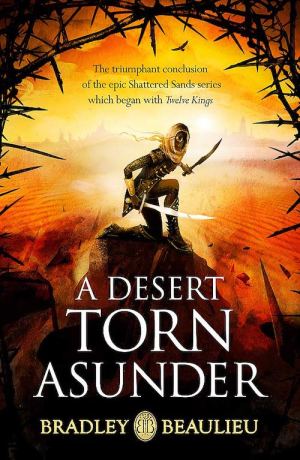
 Today, we have an annotated excerpt from Bradley P. Beaulieu‘s A Desert Torn Asunder — the final book in the author’s Song of the Shattered Sands series. Before we get to that, though, here’s the official synopsis for the novel:
The final book in The Song of the Shattered Sands series closes the epic fantasy saga in a desert setting, filled with rich worldbuilding and pulse-pounding action.
The plans of the desert gods are coming to fruition. Meryam, the deposed queen of Qaimir, hopes to raise the buried elder god, Ashael, an event that would bring ruin to the desert.
Çeda and Emre sail for their ancestral home to bring the traitor, Hamid, to justice. To their horror, they discover that the desert tribes have united under Hamid’s banner. Their plan? A holy crusade to annihilate Sharakhai, a thing long sought by many in the tribes. In Sharakhai, meanwhile, the blood mage, Davud, examines the strange gateway between worlds, hoping to find a way to close it. And King Ihsan hunts for Meryam, but always finds himself two steps behind.
When Meryam raises Ashael, all know the end is near. Ashael means to journey to the land that was denied to him an age ago, no matter the cost to the desert. It now falls to Çeda and her unlikely assortment of allies to find a way to unite not only the desert tribes and the people of Sharakhai, but the city’s invaders as well. Even if they do, stopping Ashael will cost them dearly, perhaps more than all are willing to pay.
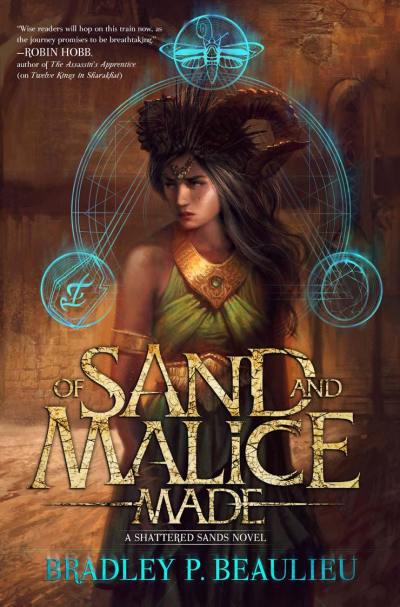
The series is published by Gollancz in the UK and DAW in North America. The other novels are Twelve Kings of Sharakai, With Blood Upon the Sand, A Veil of Spears, Beneath the Twisted Trees, and When Jackals Storm the Walls. (Beaulieu has also written a number of short stories that fit within the chronology of the series. You can find more details of those here.)
And now, on with the excerpt!
 I don’t know what it is about genre distinctions that so fascinates writers and readers alike. We enjoy them perhaps for the same reason we obsess about character classes and skill trees and so on in games like Dungeons and Dragons and why so many of us obsess (wrongly) about “magic systems” (as if anything which supercedes and violates natural law should be systematic, ha)! We like complexity, perhaps too much, we like categories (heavens, so much trouble in fan culture of late is the result of trying to categorize fans and creators alike: for their immutable traits, for the beliefs, for their politics, and so on). Complex categories give the world a texture that we nerds find pleasing, for they bespeak a deep sense not merely of order, but of ordered chaos.
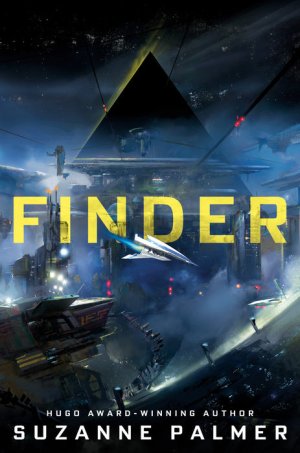 Described as an “action-packed sci-fi caper” starring an “interstellar repo man and professional finder”, this debut space opera looks like a lot of fun! Suzanne Palmer‘s Finder (maybe the first in a series?) is due to be published by
 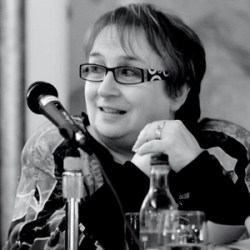 Let’s start with an introduction: Who is Jacey Bedford?
 Let’s start with an introduction: Who is Christopher Ruocchio?
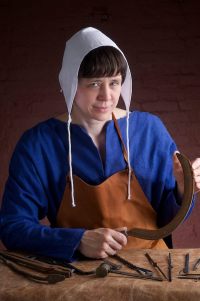 Let’s start with an introduction: Who is E.C. Ambrose?
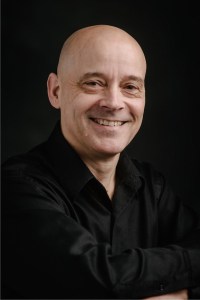 Let’s start with an introduction: Who is Gerald Brandt?
 I’m certain nearly everyone who loves to read books and follows their favorite authors has heard those authors at some point say, “The character took control.” This is extremely common. In fact, with my own writing, if the characters don’t at some point take control and do unexpected things, then the book isn’t succeeding. The characters need to take on their own life for the author. If they aren’t doing that for the author, then they certainly aren’t coming to life for the reader. And that means the book has failed.
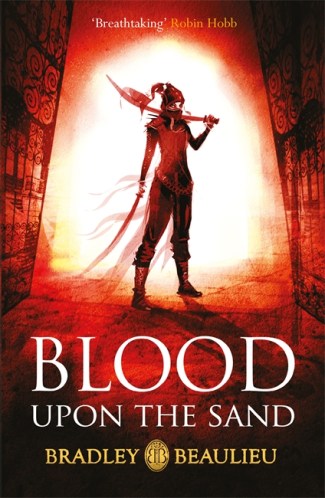 Today, we have an excerpt from Brad Beaulieu‘s highly-anticipated Blood Upon the Sand, the next novel in his Song of the Shattered Sands epic fantasy series. First, the synopsis: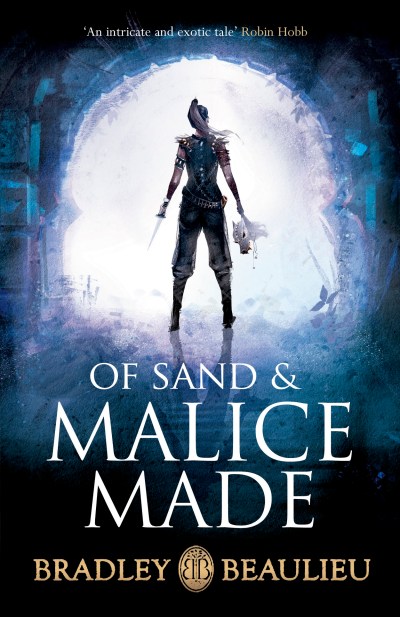

 Civilian Reader