 Next week, Head of Zeus is due to publish The Best of World SF, Volume 1 — a collection of science fiction stories by authors from around the world, it was collected and edited (and in some instances, translated) by award-winning author Lavie Tidhar. The publisher has kindly provided me with an excerpt to share. But, first, here’s the synopsis:
Twenty-six new short stories representing the state of the art in international science fiction, selected by Lavie Tidhar.
The Best of World SF draws together stories from across the spectrum of science fiction – expect robots, spaceships and time travel, as well as some really weird stuff – representing twenty-one countries and five continents.
Lavie Tidhar has selected stories that range from never-before-seen originals to award winners; from authors at every stage of their career; and a number of translations, including a story translated from Hebrew by Tidhar himself.
A full Table of Contents can be found at the end of this post — it’s an impressive line-up, too: I’ve already read three of them (de Bodard’s, Tidbeck’s and Moreno-Garcia’s), so if the rest are as good, then this will be an excellent read. Read on for an excerpt taken from the introduction to the collection, by Lavie Tidhar. Continue reading →
 Perhaps all novels are genre mashups, in some sense. Or at least, any novel has several key influences circulating within it, informing its tone, the tendencies of its characters and the directions of its plot. Few romantic novels are exclusively about the mechanisms of two people becoming a couple. Few SF novels concern solely scientific concepts.
 Until 8 April, Unsung Stories are crowdfunding a new anthology called
  Fantasy, as we know it, is an ever-evolving genre. It’s wild, sprawling, and impossible to pin down for any length of time. It’s the beauty of the genre.
 When I was writing She Lies Close, my debut psychological thriller, I was feeling desperate for the first time as a writer. I hadn’t felt it before in my twenty years of writing (countless short stories, a horror novel, a romance, a PI novel, and three tech thrillers). Out of nowhere, a terrifying thought hit me. Wait. Wait. What if I never get published?
 I have a confession to make. My forthcoming novel, Border Crosser, took sixteen years to write.
 I think bats are one of the coolest animals – and one of the most maligned. Look at their faces. They’re basically flying puppies, and many species can eat up to 8,000 insects in a single night. We used to have a small colony of Mexican free-tail bats in a tree across the street from our house, and we never had mosquito issues. It broke my heart when the neighbors cut down that tree and the bats moved.
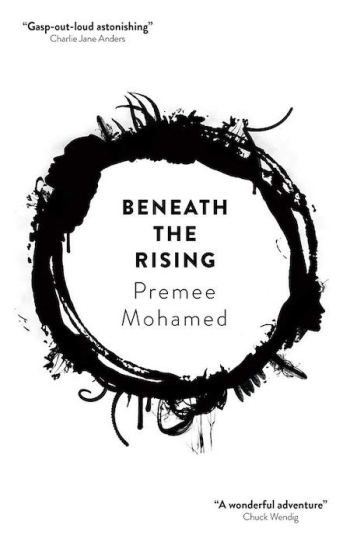 My parents said I was talking at eight months, and I believed them because many of my cousins also started super early; they said I was walking before I was a year old, and I believed them for the same reason. But when they told me that I could read when I was two, I made an earsplittingly loud raspberry noise. How could that even be possible?
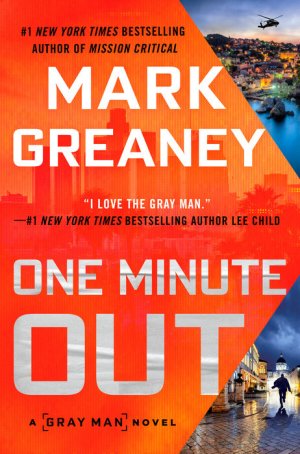 Today,
 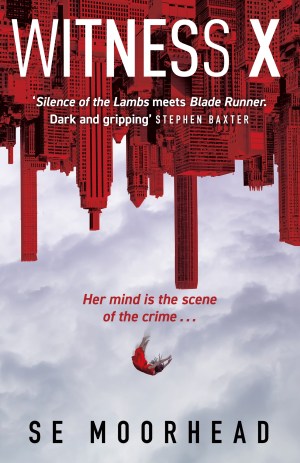 ‘Where do you get your ideas from?’
 Civilian Reader