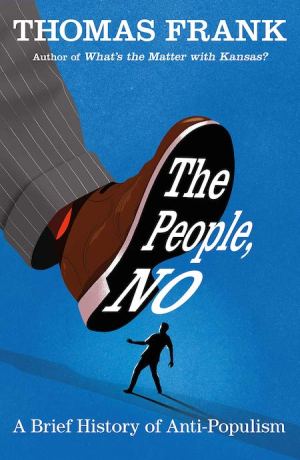
 The interesting, if flawed history of American populism and its corruption by the elite
Rarely does a work of history contain startling implications for the present, but in The People, No Thomas Frank pulls off that explosive effect by showing us that everything we think we know about populism is wrong. Today “populism” is seen as a frightening thing, a term pundits use to describe the racist philosophy of Donald Trump and European extremists. But this is a mistake.
The real story of populism is an account of enlightenment and liberation; it is the story of American democracy itself, of its ever-widening promise of a decent life for all. Taking us from the tumultuous 1890s, when the radical left-wing Populist Party — the biggest mass movement in American history — fought Gilded Age plutocrats to the reformers’ great triumphs under Franklin Roosevelt and Harry Truman, Frank reminds us how much we owe to the populist ethos. Frank also shows that elitist groups have reliably detested populism, lashing out at working-class concerns. The anti-populist vituperations by the Washington centrists of today are only the latest expression.
Frank pummels the elites, revisits the movement’s provocative politics, and declares true populism to be the language of promise and optimism. The People, No is a ringing affirmation of a movement that, Frank shows us, is not the problem of our times, but the solution for what ails us.
I’ve been a fan of Thomas Frank’s writing for some time, now. His books have offered plenty of interesting and incisive examinations and critiques of American politics, culture, and economics. In The People, No, he turns his attention to “populism”: a term that has become quite ubiquitous in the age of Trump, but it is a term that is widely misunderstood. Frank provides a history of this movement, and explains how it has been twisted for nefarious ends. Continue reading
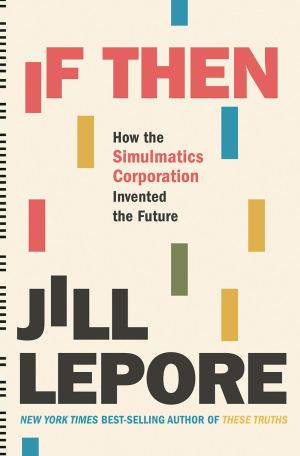 A new Jill Lepore book is always something to celebrate! And this latest looks quite different from the author’s previous histories. In the past, Lepore has covered topics such as the storytelling tradition in America (The Story of America), The Secret History of Wonder Woman, and has also tackled the Herculean task of writing a single-volume history of the United States (These Truths). If Then is a history of a data company established during the Cold War and how its influence can still be felt today. Here’s the synopsis:
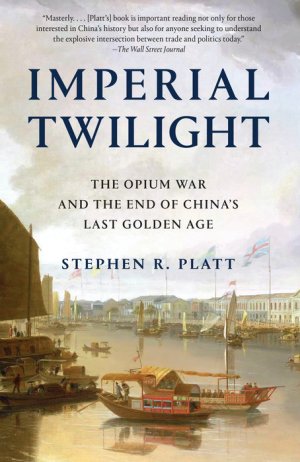 A fascinating re-examination of the causes and consequences of the Opium War
 A fascinating collection of short biographies
 Today, we have an excerpt from
 I first spotted Daisy Jones & the Six quite some time ago in a Random House catalogue, and have been eager to read it ever since — I’m a big fan of music memoirs, so the concept of a memoir about a fictional band I thought, if pulled off well, could be really interesting. After reading the synopsis, I decided to look for anything else by Taylor Jenkins Reid that was already available. Earlier this month, Amazon published a new short story by the author,
 Mythology was a big part of my childhood: Greek, Roman, Egyptian, Norse… I loved it all. I remember we had a particular hardcover book of mythology, heavily illustrated that covered the first three. I read that book over and over again, poring over the details and adventures of the heroes, villains and gods. I loved it, and is most likely the root of my interest in fantasy fiction. (I cannot for the life of me remember what the book was called, though, nor who published it. I’ve been trying to remember for years, but the details escape me completely.)*
 An excellent examination of four presidents, their development into leaders, and how they overcame the challenges they faced
 Chicago is one of my favourite American cities. I was there earlier this month (damn, it was hot), and when I spotted Jonathan Carr‘s Make Me A City on Edelweiss, I put it on my wishlist. A debut novel that “embroiders fact with fiction to tell the story of Chicago’s 19th century”, I think it looks really interesting:
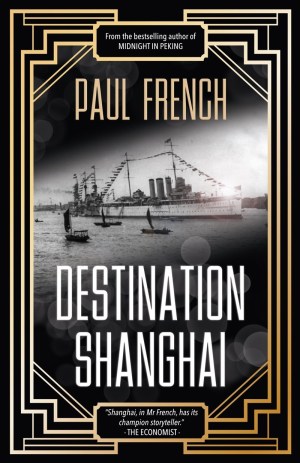
 An intriguing glimpse into Shanghai’s pre-war underworld

