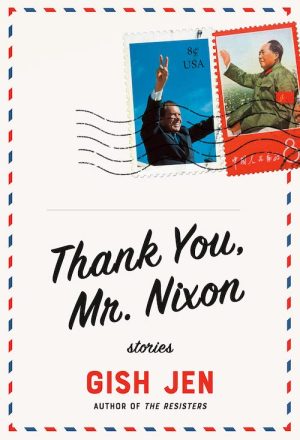
 A novel comprised of linked short stories, which paints a picture of China’s past half-century
Beginning with a cheery letter penned by a Chinese girl in heaven to “poor Mr. Nixon” in hell, Gish Jen embarks on a fictional journey through U.S.-China relations, capturing the excitement of a world on the brink of tectonic change.
Opal Chen reunites with her Chinese sisters after forty years; newly cosmopolitan Lulu Koo wonders why Americans “like to walk around in the woods with the mosquitoes”; Hong Kong parents go to extreme lengths to reestablish contact with their “number-one daughter” in New York; and Betty Koo, brought up on “no politics, just make money,” finds she must reassess her mother’s philosophy.
With their profound compassion and equally profound humor, these eleven linked stories trace the intimate ways in which humans make and are made by history, capturing an extraordinary era in an extraordinary way. Delightful, provocative, and powerful, Thank You, Mr. Nixon furnishes yet more proof of Gish Jen’s eminent place among American storytellers.
An interesting and engaging novel, Thank You, Mr. Nixon contains 11 linked short stories that give us a glimpse of how China’s social, political and economic evolution since its “opening” affects those who experience it: Chinese, Honk Kongers, members of the wider Chinese diaspora, and others. I really enjoyed this. Continue reading
 Unexpected Places To Fall From, Unexpected Places To Land, my second collection, is published by
 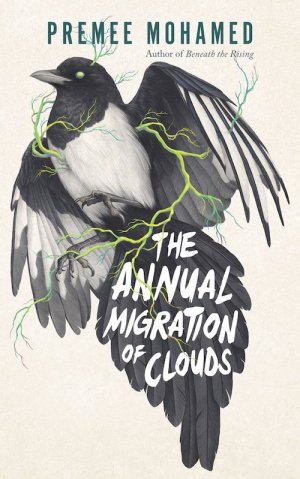 I wrote The Annual Migration of Clouds all in a rush in 2019 after seeing a single tweet from an entomologist I followed (I didn’t even read the paper right away!) containing the phrase ‘heritable symbiont.’ My imagination yanked the reins from my hands and went galloping across a blank document I think literally hours later; dimly I suspected the paper was probably about Wolbachia, a bacterial genus that inhabits some insects and affects their reproduction and behaviour, but I was too excited about the possibilities for a human disease. And ofcourse there are human diseases and syndromes caused by infections that affect our behaviour, as well as examples in various other species (Cordyceps is the obvious one, but there’s also Toxoplasmosis, many infections that cross the blood-brain barrier, certain parasitic infections of the gut, etc).
 An intriguing mystery, starring an engaging protagonist
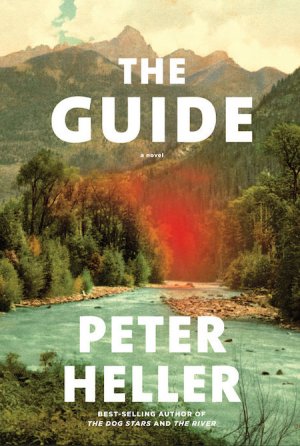 A new guide stumbles across a dark mystery at the heart of an elite retreat
 Next month, Head of Zeus are due to publish The Silence of Scheherazade by Defne Suman, a historical novel set at the beginning of the 20th century. Along with that eye-catching cover, it sounds really interesting, too. Here’s the synopsis:
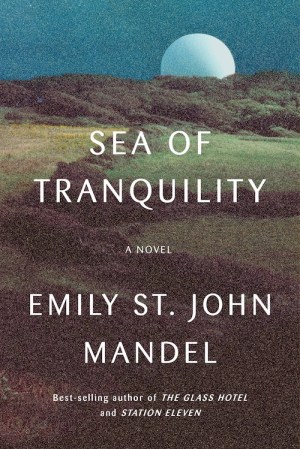 Like many people, I thoroughly enjoyed Emily St. John Mandel‘s 2014 novel,
 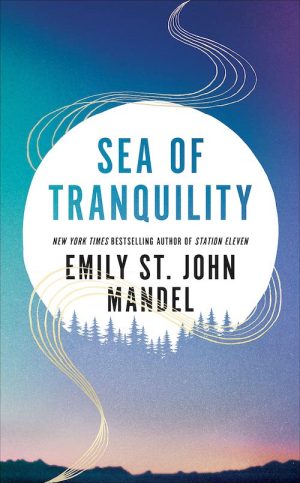 Two centuries later a famous writer named Olive Llewellyn is on a book tour. She’s traveling all over Earth, but her home is the second moon colony, a place of white stone, spired towers, and artificial beauty. Within the text of Olive’s bestselling pandemic novel lies a strange passage: a man plays his violin for change in the echoing corridor of an airship terminal as the trees of a forest rise around him.
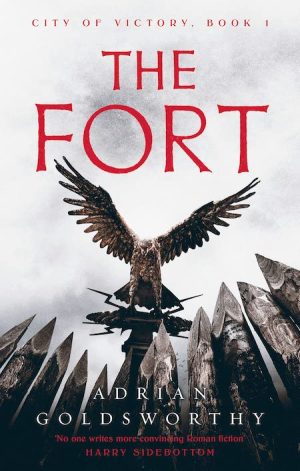 I have always loved history, was lucky enough to study it at the highest level, and after teaching for a while have been even luckier to make a living writing non fiction history books. At the same time, I have always loved historical novels. At their best they give a flavour and feel for a place and an era much faster than reading conventional history. So when I came to write historical novels, accuracy was very important to me. A novel will only work if readers get caught up in the plot and want to spend time with the characters, but the world it conjures up has to feel real, at least on its own terms, and that is as true of fantasy or science fiction as it is for stories set in the past. The world of the story has to be convincing enough for readers to visit it in their imagination. Many readers and authors do not care too much if that world bears little or no relation to the reality of the past as long as it is consistent. That is fine, after all, reading should be about pleasure and we all have different tastes. However, I am a professional historian and find it hard to switch off, which makes me an unrepresentative reader, and I only stick with a novel if I feel that the research behind it and the author’s sensitivity for the period are good. Since, like most authors, I write books – whether novels or non fiction – that I would like to read, that is how I try to write my stories. So each novel begins with research.
  With Last Flight to Stalingrad, Graham Hurley continues his Spoils of War series of World War II related novels. Each of which seems to be a stand-alone, so I don’t think they need to be read in order. This one caught my attention, and I’m looking forward to reading it soon. Head of Zeus were kind enough to provide an excerpt to share with CR readers. Here’s the synopsis:
 A young singer finds herself experiencing the highs and lows of the music industry
 Civilian Reader