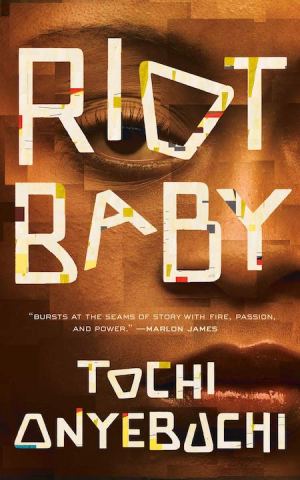
 A powerful dystopian novella
Ella has a Thing. She sees a classmate grow up to become a caring nurse. A neighbor’s son murdered in a drive-by shooting. Things that haven’t happened yet. Kev, born while Los Angeles burned around them, wants to protect his sister from a power that could destroy her. But when Kev is incarcerated, Ella must decide what it means to watch her brother suffer while holding the ability to wreck cities in her hands.
Rooted in the hope that can live in anger, Riot Baby is as much an intimate family story as a global dystopian narrative. It burns fearlessly toward revolution and has quietly devastating things to say about love, fury, and the black American experience.
Ella and Kev are both shockingly human and immeasurably powerful. Their childhoods are defined and destroyed by racism. Their futures might alter the world.
In Tochi Onyebuchi’s first book for Tor.com, we are introduced to Ella and Kev: sister and brother, navigating contemporary and future America. This is an unstinting look at the injustices of modern society, as well as an extrapolation of where the country could be headed if these failings are left unchecked. It’s a powerful story, and I very much enjoyed reading it. Continue reading
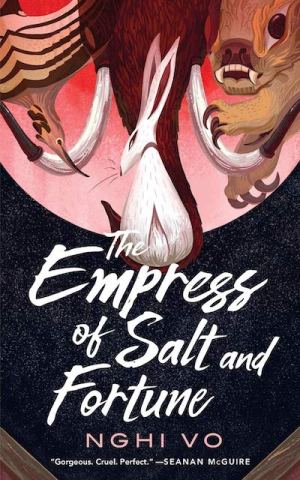 A short, engaging novella about imperialism and exclusion
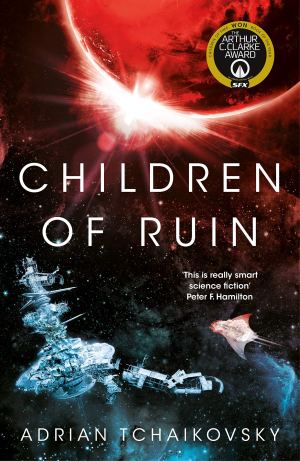 The Children of Time are going on an adventure…
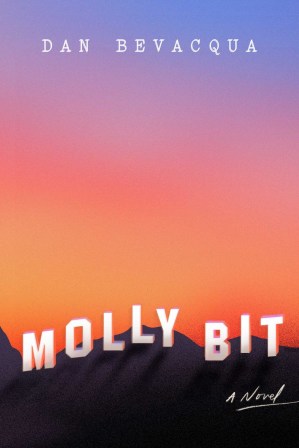 The story of the stratospheric rise of an enigmatic Hollywood star and her legacy
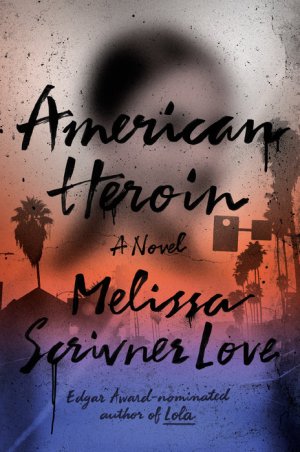 Turf wars, family, the Cartels… Lola’s got a full plate
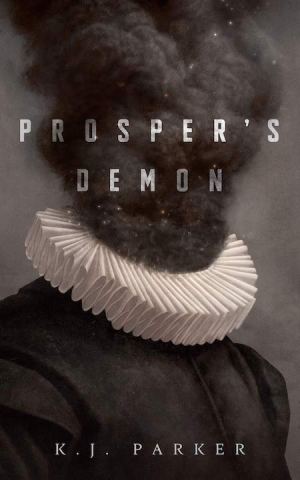 Another magnificent novella from the master of the form
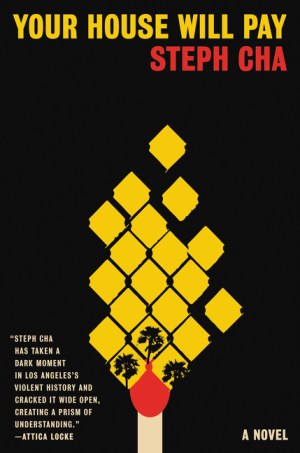 Two families, connected by a decades-old tragedy
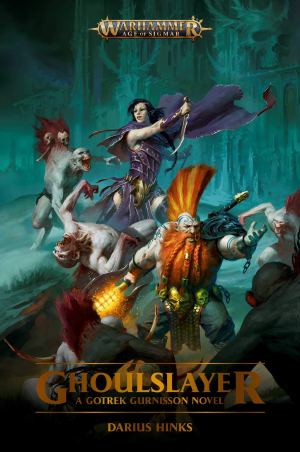 Gotrek continues his journey in the unfamiliar Age of Sigmar
 Civilian Reader