 This year, Orbit are due to publish the third book in Gareth Hanrahan‘s Black Iron Legacy fantasy series. I’ve fallen a little behind on this series, and have only read the first book, The Gutter Prayer (which I did enjoy: the characters and world-building are excellent). So, I really must get caught up before The Broken God arrives in May. For those who are caught up, here’s the synopsis:
Enter a city of dragons and darkness…
The Godswar has come to Guerdon, dividing the city between three occupying powers. A fragile armistice holds back the gods, but other dangerous forces seek to exert their influence. Spar Idgeson, once heir to the brotherhood of thieves has been transformed into the living stone of the new city. But his powers are failing and the criminal dragons of the Ghierdana are circling.
Meanwhile, far across the sea, Carillon Thay—once a thief, a saint, a god killer; now alone and powerless—seeks the mysterious land of Khebesh, desperate to find a cure for Spar. But what hope does she have when even the gods seek vengeance against her?
The Broken God is due to be published by Orbit Books in North America and in the UK, on May 18th, 2021.
Also on CR: Interview with Gareth Hanrahan (2019); Review of The Gutter Prayer
 Let’s start with an introduction: Who is Kristyn Merbeth?
 Next year,
 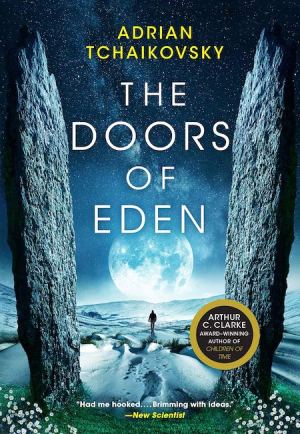 An intriguing, twisty portal fantasy
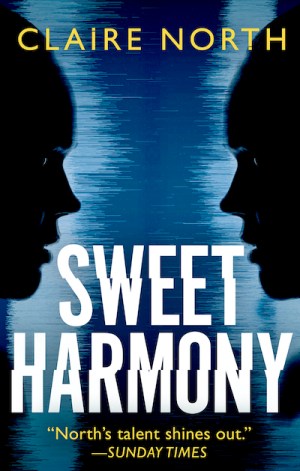 An unnerving, sharply observed and altogether too plausible novella
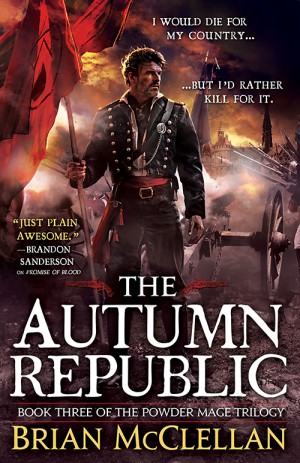 The conclusion to the Powder Mage trilogy
 Welcome back to Civilian Reader! It’s been a little while, so for newcomers let’s start with an introduction: Who is Django Wexler?
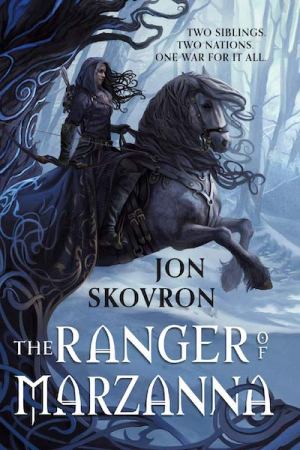 As someone obsessed with process, I love reading annotated things. Books, comics, movie commentary, what have you. When trying to understand how to do a thing (say, write a book), it can be invaluable to get that peek behind the curtain. But if there is one thing we can say for certain about the process of writing, it’s that no two writers do it exactly the same. So when you read this annotated excerpt, I invite you not to latch on to any one thing too strongly, and view it merely as one more sample in a vast sea of writing processes.
 Let’s start with an introduction: Who is Matthew Ward?
 Civilian Reader