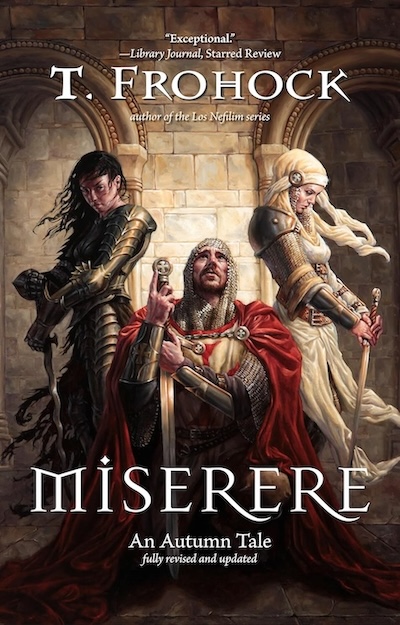
 Miserere was my debut novel in 2011, and as such, it had some problems. The prose was too purple, the descriptions too long, and the villains were a bit over the top. Thirteen years and four novels later, I’ve learned a lot about writing fiction, and I’ve grown, not just as an author, but as a person.
Once I reacquired my rights to Miserere, I reread it with more experienced eyes, and rather than just reissue the old book, I used the opportunity to make the story stronger. When Stefan graciously offered me space on his blog to host an excerpt, I thought long and hard about which scenes might have changed the most.
Frankly, each chapter has changed dramatically from the original. I’ve cleaned up the tautology and sharpened the character interactions, especially between Lucian and Catarina. More than ever, they feel like a brother and sister diametrically opposed to one another.
In the end, I chose to begin this excerpt at the beginning for people who have never read Miserere and to reacquaint former readers with the new edition. The first chapter is rather long, so I’ve found a good stopping point and left you there for now.
The story begins in the Sabbatical year 5873. Welcome, my darklings, to Woerld: Continue reading
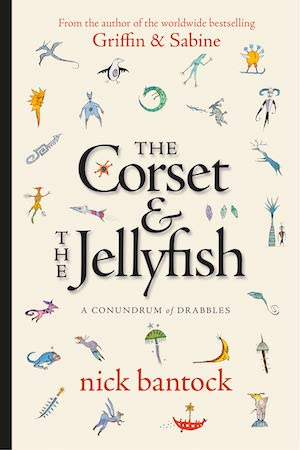 When the publishers and I were working out which of my drabbles to include in the upcoming, The Corset and the Jellyfish, there were a few stories that the editorial team felt had issues, or due to being unable to be squeezed down, was eventually deemed a reject.
 When I first read the Mexican-American writer Sandra Cisneros’s The House on Mango Street in the early 1990s, I was enchanted by the incredible storytelling, but, also, one little detail jumped out at me – her narrator’s name, Esperanza. I have an aunt called Esperanza! We call her Auntie Espie, and in the Ghanaian tradition of absorbing ‘foreignness’ we had never questioned the name. In much the same way that the argument over my European surname Parkes in Ghana would be about whether it comes from Cape Coast (where a Portuguese castle sits, and many Europeans had children with local women before and during the slave trade), or from Accra (where many ex-enslaved migrants from Sierra Leone, Brazil and Liberia settled), Espie had become part of the landscape – I had never once considered the name’s Spanish lineage.
 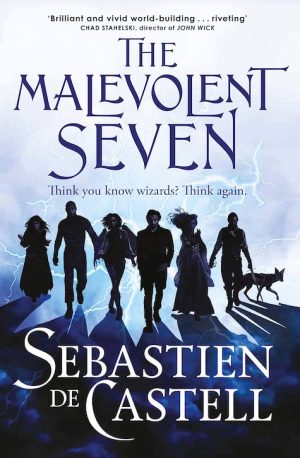 Today’s the first day of Sebastien de Castell‘s blog tour celebrating the release of his latest novel, The Malevolent Seven. The author has put together a rather cool explanatory video for one of the kinds of magic in this new fantasy world, which you can check out over on
  “I’d left her out here all alone, with nothing but the snow and the night that closes in too soon. How could anyone live so remotely without it creeping into them – the cold, endless blue dark?”
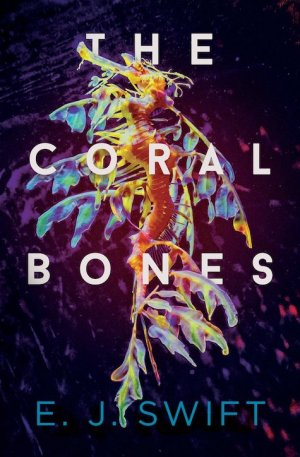 One of the themes I wanted to explore in The Coral Bones was the relationship between human beings and non-human animals and beings, and how those relationships have changed — and could change for the better — over time. I’d always conceptualised the novel with multiple timelines and knew that I wanted to reflect both forward and back. Each timeline brought its own specific challenges.
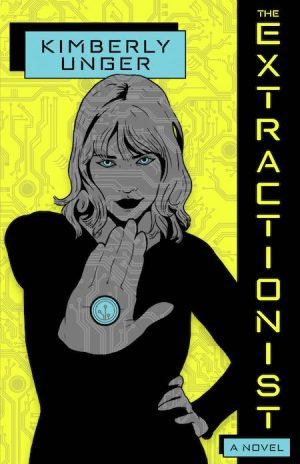 Today, Kimberly Unger walks us through the genesis and premise of her latest novel, The Extractionist.
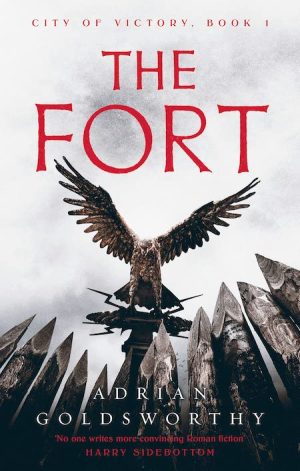 I have always loved history, was lucky enough to study it at the highest level, and after teaching for a while have been even luckier to make a living writing non fiction history books. At the same time, I have always loved historical novels. At their best they give a flavour and feel for a place and an era much faster than reading conventional history. So when I came to write historical novels, accuracy was very important to me. A novel will only work if readers get caught up in the plot and want to spend time with the characters, but the world it conjures up has to feel real, at least on its own terms, and that is as true of fantasy or science fiction as it is for stories set in the past. The world of the story has to be convincing enough for readers to visit it in their imagination. Many readers and authors do not care too much if that world bears little or no relation to the reality of the past as long as it is consistent. That is fine, after all, reading should be about pleasure and we all have different tastes. However, I am a professional historian and find it hard to switch off, which makes me an unrepresentative reader, and I only stick with a novel if I feel that the research behind it and the author’s sensitivity for the period are good. Since, like most authors, I write books – whether novels or non fiction – that I would like to read, that is how I try to write my stories. So each novel begins with research.
 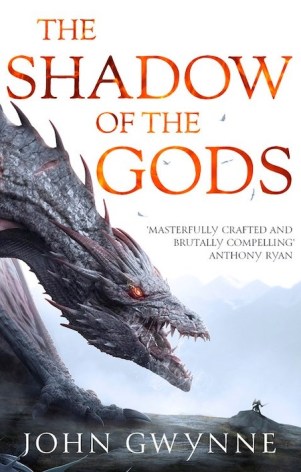 Thanks so much for the invite onto Civilian Reader, I’m chuffed to be here and have this opportunity to share with you a chapter from my latest release, The Shadow of the Gods, book 1 of the Bloodsworn Saga.
 A confession: I don’t know how much a billion dollars is. Not really. Sure, I can write it down ($1,000,000,000), but that number doesn’t really mean much to me. I imagine that it gets even more meaningless the more zeroes you put on the end. I know how much a tin of beans costs, and I know how much my monthly rent is, but I would genuinely struggle to tell you the major differences between a millionaire and a billionaire, despite the staggering disparity between their relative fortunes (billionaires have more jet planes?).
 Civilian Reader