 It is impossible to ignore the influence of social media. In the years since Facebook and Twitter, in particular, have exploded onto our browsers and mobile devices, many millions have found themselves spending more and more time watching their feeds update. “Doomscrolling” became a common word during the Trump years. Social media has connected us with people across the world with shared interests and hobbies. In too-many instances, it has also allowed the worst aspects of human nature to flourish. In Social Warming, Charles Arthur takes a deep dive into the ways in which social media has changed the world and today we have an excerpt for you. First, though, here’s the synopsis:
Nobody meant for this to happen.
Facebook didn’t mean to facilitate a genocide.
Twitter didn’t want to be used to harass women.
YouTube never planned to radicalise young men.
But with billions of users, these platforms need only tweak their algorithms to generate more ‘engagement’. In so doing, they bring unrest to previously settled communities and erode our relationships.
Social warming has happened gradually — as a by-product of our preposterously convenient digital existence. But the gradual deterioration of our attitudes and behaviour on- and offline — this vicious cycle of anger and outrage — can be corrected. Here’s how.
Now, on with the excerpt…
 Lessons from the city-state of Los Angeles
 I have long been a fan of James Fallows‘s journalism — I first read his work in The Atlantic, back in 2007 when he was still living in China (some of his articles from that time have been collected in the excellent
 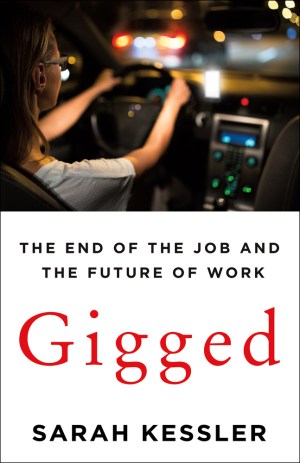 Sarah Kessler‘s upcoming book looks really interesting. The gig economy has come to dominate a few sectors, and seems to be spreading. To someone who is an accidental freelancer (I didn’t expect to be one so soon in my career), Gigged therefore looks really interesting and relevant. Even though the book is focused on the gig economy in the United States, I think it will resonate with readers in other countries, where gigging is fast becoming a wider experience of life and work. Here’s the synopsis:
 Civilian Reader