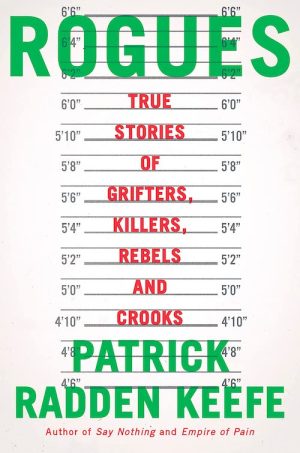
 Empire of Pain by Patrick Radden Keefe is one of my favourite reads from last year. A detailed, gripping biography of the Sackler family and the scourge they unleashed with the development and aggressive marketing of oxycontin. This summer, Doubleday (North America) and Picador (UK) are due to publish Rogues: a new collection of his New Yorker articles and profiles.
ROGUES brings together a dozen of his most celebrated articles from The New Yorker. As Keefe says in his preface “They reflect on some of my abiding preoccupations: crime and corruption, secrets and lies, the permeable membrane separating licit and illicit worlds, the bonds of family, the power of denial.”
Keefe brilliantly explores the intricacies of forging $150,000 vintage wines, examines whether a whistleblower who dared to expose money laundering at a Swiss bank is a hero or a fabulist, spends time in Vietnam with Anthony Bourdain, chronicles the quest to bring down a cheerful international black market arms merchant, and profiles a passionate death penalty attorney who represents the “worst of the worst,” among other bravura works of literary journalism.
The appearance of his byline in The New Yorker is always an event, and collected here for the first time readers can see his work forms an always enthralling but deeply human portrait of criminals and rascals, as well as those who stand up against them.
One of my most-anticipated non-fiction books of the year, Rogues is due to be published in North America on June 28th, and in the UK on July 7th.
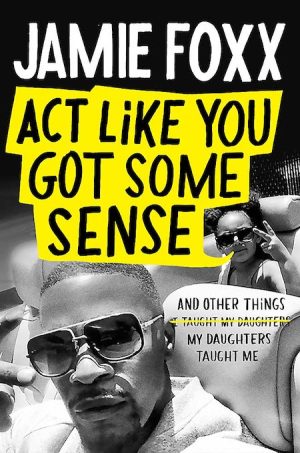 Foxx shares the story of being raised by his no-nonsense grandmother, the glamour and pitfalls of life in Hollywood, and the lessons he took from both worlds to raise his two daughters.
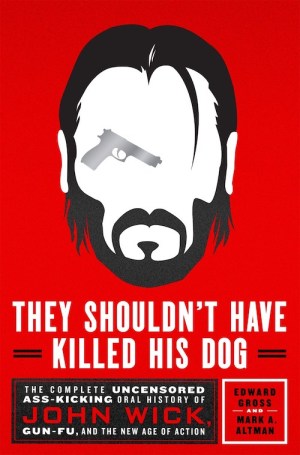 Like many, I am a big fan of Keanu Reeves. Ever since his superb supporting part in Parenthood, I’ve always been on the look-out for new projects in which he appears. The Matrix blew my mind, Bill & Ted are totally awesome, The Replacements is still entertaining after multiple re-watches (even if they did rip off a lot of jokes from Little Giants — a movie I watched for the first time last week). And then there’s John Wick: Reeves’s most recent franchise, an extravaganza of action, violence, and superb world-building. Fans of the series will be happy to learn that, in May, St. Martin’s Press is due to publish They Shouldn’t Have Killed His Dog, an oral history of the franchise by Edward Gross and Mark A. Altman.
 Is it just me, or are we living in a bit of a golden age for movie and TV oral histories? It’s still not a massive sub-field in publishing, true, but I’ve seen quite a few upcoming books announced, and have also read quite a few over the past couple of years. As someone who very much enjoys behind-the-scenes content, I fully support this. To that end, let me draw your attention to Blood, Sweat & Chrome by Kyle Buchanan, New York Times pop culture reporter and “The Projectionist” (awards season columnist). It is the “wild and true” oral history of Mad Max: Fury Road!
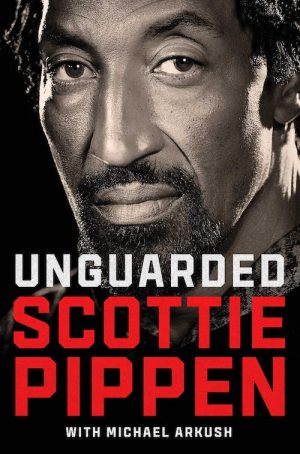 How the six-time NBA Champion, two-time Olympic gold medalist, and Hall of Famer, the youngest of twelve, overcame two family tragedies and universal disregard by college scouts to become an essential component of the greatest basketball dynasty of the last fifty years.
  A fascinating and fun memoir from one of rock’s great guitarists and characters
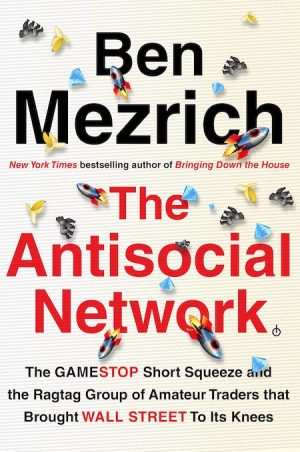 “The GameStop Short Squeeze and the Ragtag Group of Amateur Traders That Brought Wall Street to Its Knees”
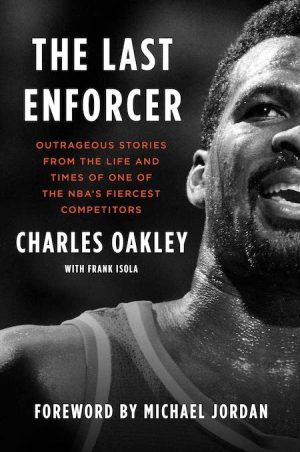 An interesting, albeit limited memoir
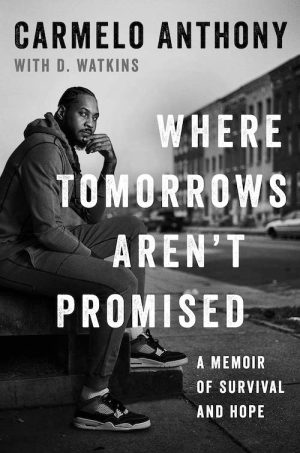 An interesting memoir about family, struggle, and basketball
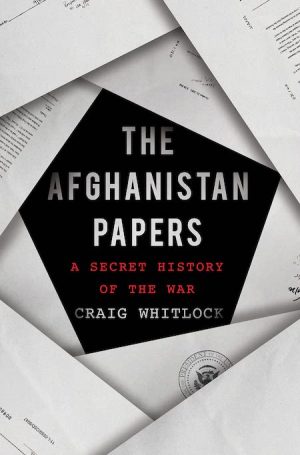 A timely, illuminating, necessary, but strangely limited book
 Civilian Reader