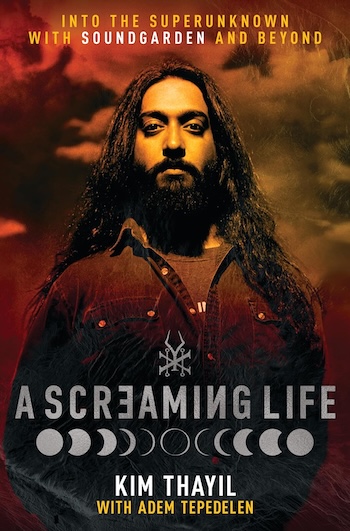
 This summer (June), William Morrow is due to publish the much-anticipated memoir of Kim Thayil, lead guitarist of Soundgarden: A Screaming Life. Like many rock-loving children of the 1980s, I was a big fan of the Seattle grunge scene, and that included Soundgarden — although, it took a little longer for me to discover them, after Nirvana, Pearl Jam, and Alice in Chains. As soon as I saw this in the publisher’s catalogue, it became a Must Read of 2026. Here’s the synopsis:
The memoir by co-founding member of Soundgarden and lead guitarist Kim Thayil about one of the 1990s’ signature rock bands
From Soundgarden’s humble beginnings manifesting grunge in Seattle’s beer-soaked punk clubs to their revered status today as rock icons, the band’s journey has been nothing short of extraordinary. In A Screaming Life, founding member and guitar god Kim Thayil goes backstage to introduce the band that fearlessly pushed the boundaries of rock, invented a new genre, and amassed fervent fans from every corner of the world.
Thayil shares the story of how he and his Soundgarden bandmates — Hiro Yamamoto, Ben Shepherd, Matt Cameron, and Chris Cornell — faced the triumphs and challenges on the road to their historic and influential rise. His storytelling channels the essence of Soundgarden’s era-defining sound — one that’s supercharged with raw creativity and unapologetic lyrics — and explores the ways that Soundgarden was shaped by the diverse backgrounds of its creators: Thayil’s Indian heritage and founding bassist Hiro Yamamoto’s Japanese background added unique dimensions to the band’s identity, influencing not only their music but also their experiences in the industry.
For Soundgarden fans and ‘90s alternative rock enthusiasts, A Screaming Life not only gives behind-the-scenes access to one of the most revered bands, but it also demonstrates the power music and its creators have to transform culture.
Can’t wait to read this.
Kim Thayil’s A Screaming Life is due to be published by William Morrow in North America, on June 9th.
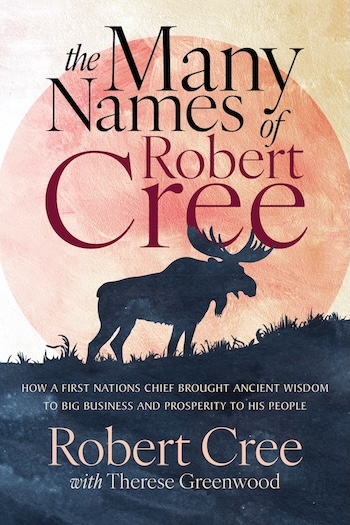 Today we are very happy to share an excerpt from The Many Names of Robert Cree: How a First Nations Chief Brought Ancient Wisdom to Big Business and Prosperity to His People, the new autobiography by Fort McMurray First Nation chief Robert Cree (w. Therese Greenwood). Recently published by
  An early biography of a rising star of the NBA
 ESPN’s Tim MacMahon chronicles the career of the Dallas Mavericks’ Luka Doncic and examines the pressure of building an NBA team around a prodigy.
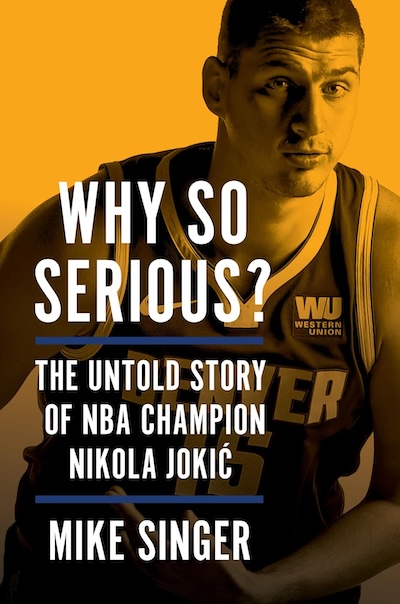 The first biography of the 3x NBA MVP
 Mirin Fader‘s
  Something a little bit different today: All In Stride by Johanna Garton is the story of two Kenyan-born distance runners who emigrated to the United States, and how they built a life in their new home country. Here’s the synopsis:
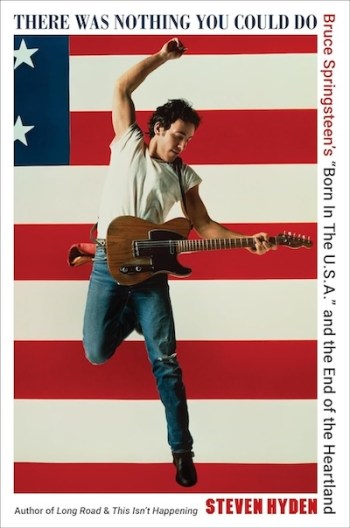 In his follow-up to Long Road, which examined how Pearl Jam “shaped the times, and how their legacy and longevity have transcended generations”, Steven Hyden turns his attention to Bruce Springsteen’s Born in the USA. This album was the first album that I ever loved, so this book was immediately added to my Must Read Non-Fiction of the Year. (It’s not an actual list, but you know what I mean.) There Was Nothing You Could Do is scheduled to come out in May, via
 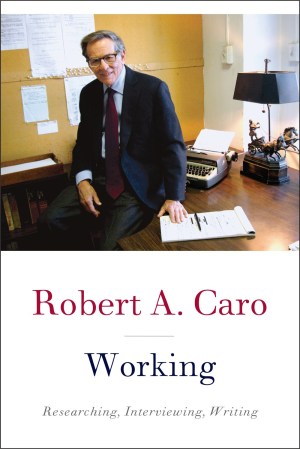 A glimpse into what it takes to write epic non-fiction
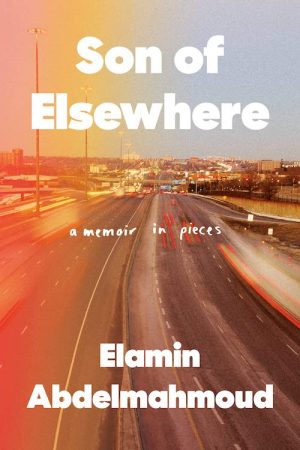 I first heard of Elamin Abdelmahmoud‘s upcoming memoir, Son of Elsewhere via Twitter — as is so often the case, I’ve forgotten who it was who Tweeted about it, or re-tweeted a mention. Regardless, my attention was grabbed by the Canadian cover and interest further piqued by the synopsis. As a relatively new Canadian myself, I’m also interested in reading about other people’s immigrant experiences here. Really looking forward to reading this. Check out the synopsis:
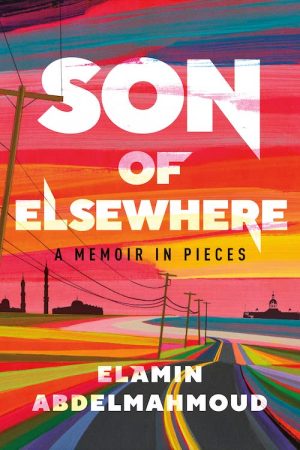 Arriving in Canada at age 12 from Sudan, Elamin’s teenage years were spent trying on new ways of being in the world, new ways of relating to his almost universally white peers. His isa story of yearning to belong in a time and place where expectation and assumptions around race, faith, language, and origin make such belonging extremely difficult, but it’s also a story of the surprising and unexpected ways in which connection and acceptance can be found.
 Civilian Reader