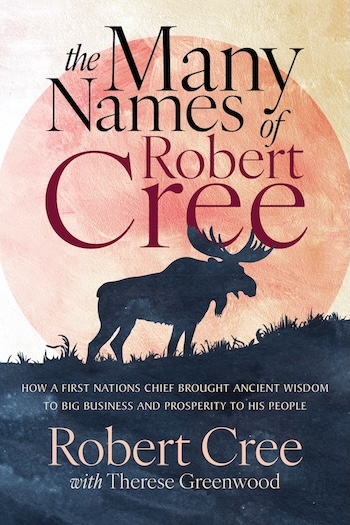
 Today we are very happy to share an excerpt from The Many Names of Robert Cree: How a First Nations Chief Brought Ancient Wisdom to Big Business and Prosperity to His People, the new autobiography by Fort McMurray First Nation chief Robert Cree (w. Therese Greenwood). Recently published by ECW Press, here’s the synopsis:
A vital account of the life and many names of Robert Cree, and his plan for a peaceful, sincere, and just path to reconciliation in an angry and chaotic world.
His mother called him “Bobby Mountain.” Elders called him “Great Man.” His people called him “Chief.” Oil men called him “Mr. Cree.” But the government called him “Number 53.” Robert Cree was all of these while facing his people’s oppressors and freeing the ghosts of tortured spirits.
The Many Names of Robert Cree is his first-person account of survival in a brutally racist residential school system designed to erase traditional Indigenous culture, language, and knowledge. It is also the story of an epic life of struggle and healing, as Cree takes the wisdom of his ancestors and a message of reconciliation to the halls of government and to industry boardrooms.
In the storytelling tradition of his people, Cree recounts his early years in the bush, his captivity at a residential school, his struggles with addiction, his political awakening as one of Canada’s youngest First Nation Chiefs, and the rising Indigenous activism of the late 20th and early 21st centuries. He also recounts the oil industry’s arrival on his poverty-stricken reserve and the ensuing struggle to balance economic opportunity with environmental challenges.
Throughout, Cree’s leadership is rooted in his unshakable commitment to the sacred traditional teachings of his people. His beliefs give him the strength to focus on hope, dignity, and building a better future for his community. Now a respected Elder and spiritual leader, Cree champions forgiveness as a powerful force that can bring healing and transformation for all.
 Tomorrow,
  On October 15th,
  Next month,
 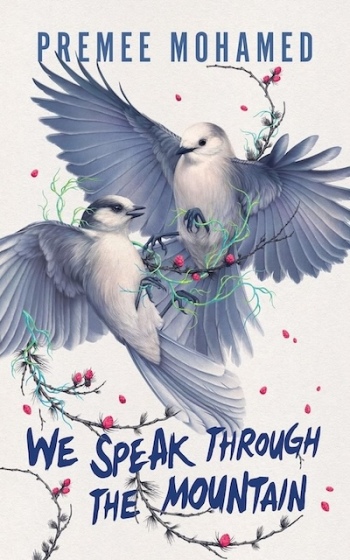 This week, ECW Press publishes the latest novel from Premee Mohamed! We Speak Through the Mountain returns to the post-apocalyptic society of the acclaimed The Annual Migration of Clouds. Check out the synopsis:
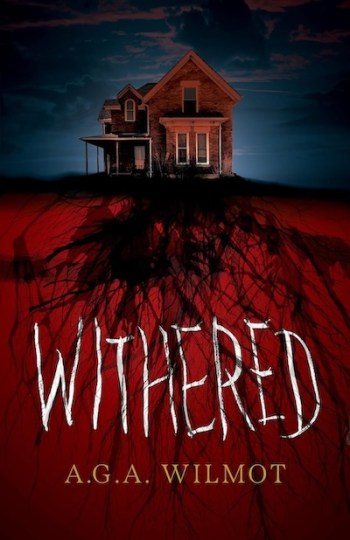 Tomorrow, ECW Press is due to publish the second novel from A.G.A. Wilmot (following 2018’s The Death Scene Artist): Withered — a “queer paranormal horror novel in the style of showrunner Mike Flannagan” (Midnight Mass, The Fall of the House of Usher, and so forth). To mark the release, the publisher has allowed CR to share the novel’s Prologue with our readers. First, check out the synopsis:
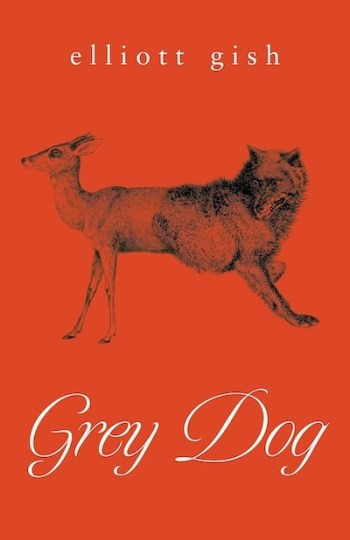 Tomorrow, ECW Press are due to publish Grey Dog by Elliott Gish — a “subversive” literary horror debut that “disrupts the tropes of women’s historical fiction with delusions, wild beasts, and the uncontainable power of female rage”, it sounds like this deserves quite a wide readership. To celebrate the release, the publisher has provided us with a short excerpt to share with our readers. First, though, here’s the synopsis:
 BH Panhuyzen‘s debut novel, A Tidy Armageddon is due out next week. It has been described as a mix of “heart-felt journey of human resilience” and “action-filled suspense”. To mark the novel’s imminent publication, ECW Press has provided CR with an excerpt to run. First, of course, here’s the official synopsis:
 Today, we have an excerpt from Bob Kroll‘s upcoming novel The Punishing Journey of Arthur Delaney, which is due to be published by
 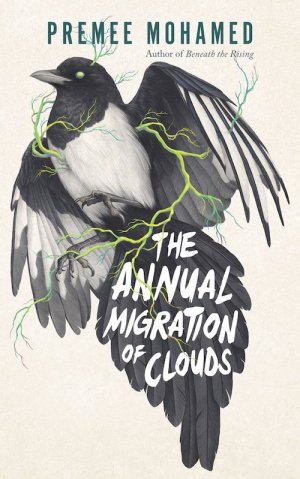 I wrote The Annual Migration of Clouds all in a rush in 2019 after seeing a single tweet from an entomologist I followed (I didn’t even read the paper right away!) containing the phrase ‘heritable symbiont.’ My imagination yanked the reins from my hands and went galloping across a blank document I think literally hours later; dimly I suspected the paper was probably about Wolbachia, a bacterial genus that inhabits some insects and affects their reproduction and behaviour, but I was too excited about the possibilities for a human disease. And ofcourse there are human diseases and syndromes caused by infections that affect our behaviour, as well as examples in various other species (Cordyceps is the obvious one, but there’s also Toxoplasmosis, many infections that cross the blood-brain barrier, certain parasitic infections of the gut, etc).
 Civilian Reader